- By Dr. Ravali Yalamanchili
- 2026-01-20
When applied properly and under medical supervision, skin lightening treatments provide safe remedies for hyperpigmentation. If you choose the incorrect technique, your skin may be permanently damaged.
According to the Wiley Online Library, nearly 61% of women in India use skin-lightening cosmetics, but many of them include dangerous substances like steroids and mercury. This concerning number emphasises how important it is for everyone looking for an even skin tone to understand safe skin lightening procedures.
Key Takeaways
- A board-certified dermatologist should always be consulted before beginning any skin-lightening procedure.
- When used properly, professional glutathione injections offer progressive lightening without dangerous side effects.
- Despite their rapid effects, over-the-counter medicines with these chemicals risk long-term harm.
- Maintaining results requires regular use of sunscreen and follow-up treatments.
- Although skin lightening eliminates pigmentation and improves tone, it cannot significantly alter your natural complexion.
Understanding Skin Lightening: Beyond the Myths
Changing your natural complexion is not the goal of skin whitening. It's a medical method for treating certain issues like uneven pigmentation, melasma, and dark patches. The goal is healthy and radiant skin.
Skin bleaching and professional treatments are often confused. There is a notable distinction. The goal of medical therapies is to regulate melanin without causing structural damage to the skin.
Safe and Effective Skin Lightening Options
Professional Glutathione Treatments for Radiant Skin
In recent years, glutathione for skin lightening has become incredibly popular. This potent antioxidant naturally lowers melanin production from within.
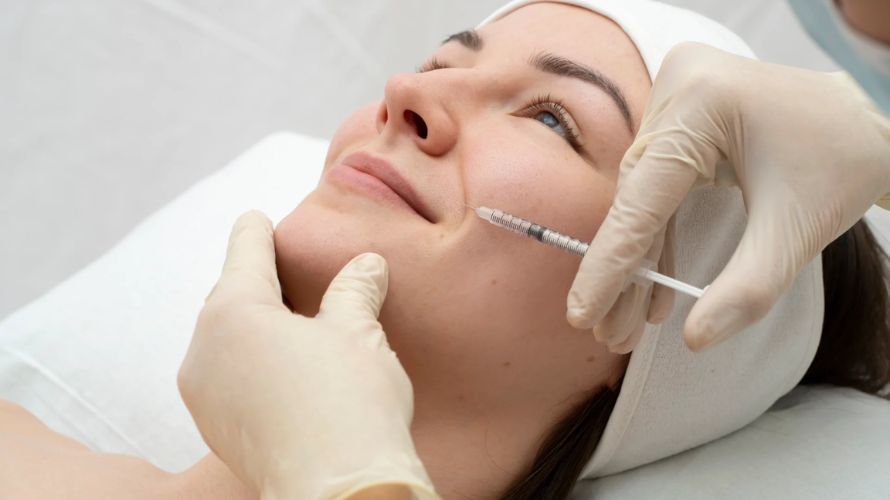
In Hyderabad and other metropolitan areas, glutathione injections are now commonly accessible through accredited clinics. Concentrated doses are injected straight into your bloodstream.
The treatment works by:
- Blocking the melanin-producing enzyme tyrosinase
- Neutralizing the free radicals that lead to dark areas
- Promoting the regeneration and repair of cells
- Increasing immunity and general skin health
Usually, results show up after four to six sessions. However, for long-lasting results, maintenance dosages are required.
Topical Treatments That Dermatologists Recommend
Medical-grade topical treatments can be prescribed by a dermatologist for skin whitening. These have controlled amounts of active substances.
Important components consist of:
- Tyrosinase inhibition using kojic acid
- Vitamin C for antioxidant defence and brightness
- Niacinamide to reduce pigmentation and inflammation
- Alpha arbutin for mild inhibition of melanin
- Using azelaic acid to alleviate hyperpigmentation following inflammation
These work gradually but safely when used as prescribed.
Advanced Clinical Procedures for Stubborn Pigmentation
Professional assistance is frequently needed for skin lightening treatments for dark spots and melasma. Dermatologists provide a number of evidence-based treatments.
|
Treatment Type
|
Best For
|
Sessions Required
|
Downtime
|
|
Chemical Peels
|
Surface pigmentation
|
4-6 sessions
|
3-5 days
|
|
Laser Therapy
|
Deep melasma
|
6-8 sessions
|
5-7 days
|
|
Microdermabrasion
|
Mild dark spots
|
8-10 sessions
|
None
|
|
Q-Switch Laser
|
Stubborn patches
|
4-6 sessions
|
1-2 days
|
Pigmentation at various skin depths is the focus of each operation. Your dermatologist will recommend the most suitable option.
Dangerous Practices You Must Avoid Immediately
Over-the-Counter Products with Hidden Dangers
Mercury, hydroquinone, or steroids are found in a lot of fairness creams. Although these substances produce immediate effects, they seriously harm the body over time.
Damage to the kidneys and neurological issues can result from mercury toxicity. Long-term steroid use causes irreversible skin thinning.
Always read ingredient labels. A product is probably dangerous if it claims to produce results overnight.
DIY Home Remedies: Proceed with Extreme Caution
Numerous at-home skin-whitening treatments are promoted on social media. Certain natural components can irritate sensitive skin, while others are safe.
For example, photosensitivity may result from consuming lemon juice. Overuse of baking soda throws off the pH balance of your skin.
Never try unproven treatments on your face.
Choosing the Right Professional for Your Journey
It's crucial to find a licensed dermatologist for skin lightening treatment. Look for experts with a track record of success who are board-certified.
Talk about the following during your consultation:
- Your current prescriptions and medical history
- Treatment schedules and reasonable expectations
- Possible adverse consequences and coping mechanisms
- Cost ramifications and upkeep needs
- Protocols for before and post-treatment care
A competent dermatologist will never make exaggerated claims. On the basis of your skin type, they will develop a customised treatment plan.
The Science Behind Skin Whitening Treatments
Your skin tone is determined by melanin. Melanocytes are the cells that create it. Either decreasing melanin production or eliminating preexisting pigmentation is how skin lightening works.
Eumelanin, a dark pigment, is changed into pheomelanin, a lighter pigment, by glutathione for skin whitening. This is a slow, organic process.
Genetics, however, is quite important. You can't get much lighter than your natural skin complexion.
Maintaining Results: A Lifelong Commitment
Lighter skin is only the first step. Results must be maintained with commitment and good skincare.
Among the crucial maintenance procedures are:
- Broad-spectrum sunscreen (SPF 50+) every day
- Frequent follow-up care as advised
- A routine of gentle washing and moisturising
- Avoiding the sun during the hottest parts of the day
- Keeping a balanced diet and drinking plenty of water
Pigmentation can recur in a matter of months if it is not properly maintained.
Nourish Your Skin Safely with Expert Guidance!
Your confidence should no longer be impacted by pigmentation issues. Professional skin lightening treatments can help you achieve the even-toned complexion you desire safely.
Dr. Ravali's Clinic specializes in advanced dermatological treatments specifically designed for Indian skin types. FDA-approved procedures and materials are used by their team of skilled dermatologists.
Expert advice is crucial whether you're thinking about getting a glutathione injection in Hyderabad or looking for skin lightening treatment for melasma and dark spots. Visit our website for additional details on safe and efficient treatment choices.
FAQs
Q1: How long does it take for glutathione to start working?
After four to six sessions, most people see noticeable changes. Results, however, differ depending on skin type and degree of pigmentation. Eight to twelve weeks may be needed for the whole course of therapy, followed by maintenance sessions.
Q2: Is skin lightening therapy long-lasting?
No therapy produces long-lasting effects. The generation of melanin is a continuous process. To maintain the outcomes of professional procedures, maintenance treatments and appropriate sun protection are required.
Q3: Can I get a skin-lightening procedure in the summer?
Dermatologists usually advise treatments in cooler months, if at all possible. Summer's high UV exposure can affect outcomes and raise the chance of pigmentation. Strict sun protection is required if needed.
Q4: Do glutathione injections have any adverse effects?
There are very few negative effects when given by trained specialists. Some people experience moderate nausea or an upset stomach. Although uncommon, allergic responses can occur. Your medical history should always be disclosed beforehand.
Q5: What is the price of a professional skin-lightening procedure in India?
Depending on the location and type of treatment, costs can vary significantly. Injections of glutathione usually cost between ₹3,000 and ₹8,000 per session. Each laser therapy session costs between ₹5,000 and ₹15,000. For precise estimates, speak with your dermatologist.