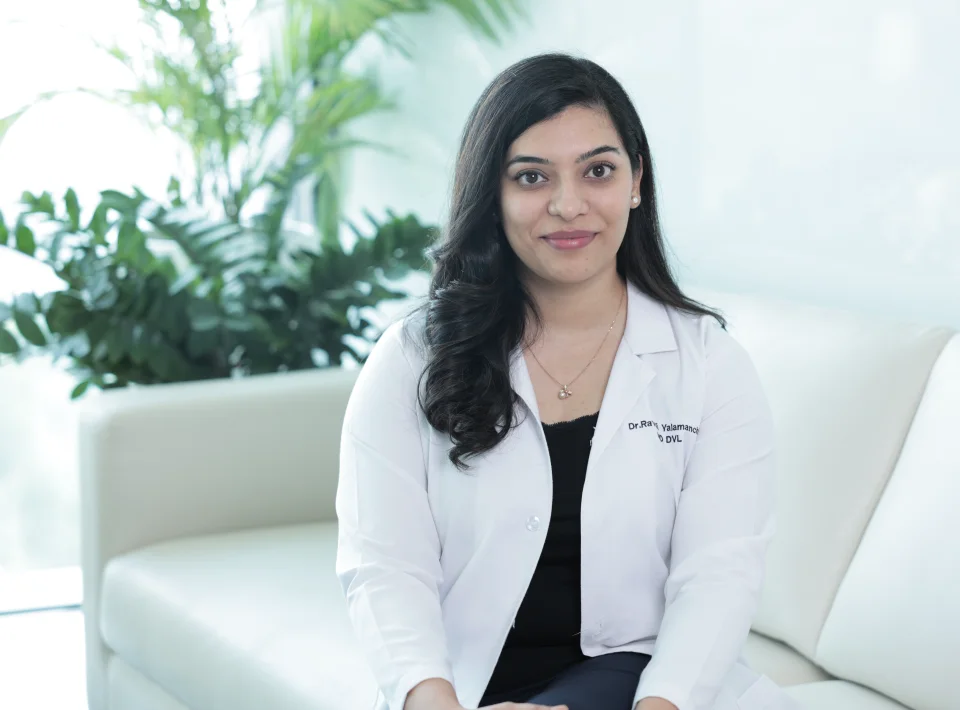
- By Dr. Ravali Yalamanchili
- 2026-09-02
Worried about PRP hair treatment side effects? Most reactions are mild and fade within days, so you can move ahead with confidence. Platelet-Rich Plasma therapy is genuinely one of the safer hair loss treatments out there, and its side effects don't usually stick around long. Redness, swelling, and a bit of soreness near the injection site are what most people notice first.
Did you know? According to the Journal of Dermatological Case Reports, PRP therapy shows strong evidence for improving hair density, with very few complications reported.
That's part of why dermatologists across the world keep recommending it. Getting a clear picture of PRP hair treatment side effects early on saves you from a lot of needless worry later.
Key Takeaways
- PRP hair treatment side effects can be mild most of the time, like redness, swelling, or mild pain at the time of the session.
- Serious complications are very unusual, provided that a knowledgeable, skilled dermatologist is performing the entire injection procedure.
- The advantages of having a PRP hair treatment are usually greater than the temporary pain that most of the people feel after it.
- Being well-prepared before the procedure and following the proper care instructions afterwards will both contribute to minimizing your chance of having complications.
- Choosing a skilled and licensed clinic is much more important than the method of treatment or the equipment that is used.
What Is PRP Hair Treatment and How Do Side Effects Show Up
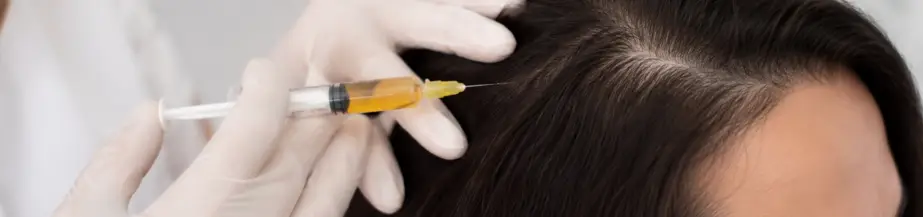
PRP stands for Platelet-Rich Plasma, and the process is fairly simple. A doctor draws a small vial of your blood, spins it to pull out the platelet-rich plasma, then injects it back into your scalp.
A lot of people search for what is PRP hair treatment side effects before they even book a consultation, which is fair enough. The honest answer? Most side effects are minor and settle down on their own at home.
Common Reactions After the Procedure
You'll likely notice these within the first 24 to 48 hours:
- Mild swelling around the injection points
- Redness or tenderness on the scalp
- A bit of bruising here and there
- A dull, temporary headache
- Some itching as things start healing
Most of this clears up within two or three days. A cold compress usually helps take the edge off pretty fast.
Understanding PRP Hair Loss Treatment Side Effects in Detail
A handful of people notice stronger reactions than others, and that's usually down to skin sensitivity, needle depth, or just how their body heals.
PRP hair loss treatment side effects rarely turn into anything serious when a qualified dermatologist is behind the needle. Picking an experienced clinic really does cut down the risk.
| Side Effect Type |
How Common |
Typical Duration |
| Redness and swelling |
Very common |
1-2 days |
| Mild pain at injection site |
Common |
2-3 days |
| Bruising |
Occasional |
3-5 days |
| Scalp infection |
Rare |
Needs medical attention |
| Allergic reaction |
Very rare |
Varies by case |
Rare but Serious Risks Worth Knowing
Serious complications don't happen often, but it's still worth knowing about them. An infection can develop if hygiene protocols aren't followed properly, and nerve injury, though rare, is possible during the injection process.
Always double-check that your clinic sticks to sterile equipment and single-use needles. That one habit alone prevents most of the serious stuff.
Benefits of PRP Hair Treatment That Make the Risks Worth Considering
Even with the mild discomfort, plenty of patients walk away happy with their results. The benefits of PRP hair treatment tend to outweigh those temporary side effects for most people.
- Boosts natural hair growth using your own blood cells
- Cuts down on thinning without needing surgery
- Comes with far less downtime than a transplant
- Works for both men and women in early stages
- Pairs well with other hair restoration methods
Doctors generally suggest three to four sessions, spaced roughly a month apart, with results building up gradually over time.
Who Should Avoid PRP Therapy
PRP isn't the right fit for everyone. Anyone with a blood disorder should steer clear, and pregnant women or those on blood thinners need medical clearance first.
If you've got an active scalp infection, it's best to wait until it clears. A proper consultation upfront helps flag these issues before they become a problem.
How to Reduce PRP Hair Treatment Side Effects Before Your Session
Preparation genuinely makes a difference here. A few simple steps beforehand go a long way in keeping complications at bay.
- Skip alcohol for 48 hours before your session
- Avoid blood-thinning medications, if your doctor allows
- Drink plenty of water the day before
- Be upfront about your full medical history
- Pick a clinic with certified dermatologists on board
Aftercare counts just as much as prep work. Hold off washing your hair for a day, and skip the intense workouts for at least two.
Why Location and Expertise Matter for Safety
Where you choose to get treated matters more than people realise. If you're looking into PRP treatment in Hyderabad, it's worth checking a doctor's credentials carefully before booking.
Experienced dermatologists stick to strict sterilisation protocols and customise the treatment to your specific scalp condition. That personalised touch genuinely lowers the odds of an unwanted reaction.
Start Your Hair Restoration Journey Today!
PRP therapy can be a safe and effective way to work toward fuller hair, as long as it's done right. Knowing the risks beforehand puts the decision firmly in your hands. Dr Ravali's clinic brings years of dermatological know-how to every PRP session, with trained specialists handling each step carefully.
If this sounds like something worth exploring, go ahead and book a consultation. You can read more through this detailed guide on PRP hair treatment side effects. That first step toward healthier, fuller hair starts now.
FAQs
Is PRP treatment painful?
Most people feel a mild pinch during injections. Numbing cream helps take away much of that discomfort beforehand.
How long do PRP side effects last?
Common ones like swelling usually settle within two or three days. Serious reactions are rare in well-run sessions.
How many PRP sessions are needed for hair growth?
Dermatologists typically recommend three to four sessions. These are usually spaced about four weeks apart.
Can PRP therapy cause hair loss to worsen?
Not really; PRP doesn't worsen hair loss at all. It actually stimulates growth using your own platelets.
Is PRP hair treatment permanent?
Results aren't permanent and need upkeep over time. Most patients go back for maintenance every six to twelve months.