- By Dr. Ravali Yalamanchili
- 2026-11-23
Glutathione is a natural antioxidant that protects cells from damage and is also used in skincare for its potential role in reducing pigmentation. But which is better: injections or oral supplements? Understanding their effectiveness and safety can help you make an informed choice. Knowing how to choose a dermatologist in Hyderabad is also important before starting treatment.
Did you know: According to the National Institutes of Health (NIH), the liver naturally produces glutathione from 3 amino acids: cysteine, glutamic acid, and glycine. It helps fight free radicals and remove toxins from the body.
What Is Glutathione and How Does It Work?
Glutathione is an antioxidant made from three amino acids: glutamate, cysteine, and glycine. It helps protect cells against free radical damage and supports normal immune function and liver processes.
In skincare, glutathione is often discussed for its potential effect on melanin production. Melanin is the natural pigment that gives skin its color. Some research suggests that glutathione may influence the processes involved in melanin formation.
However, its skin-brightening benefits are still being studied. A consultation with a best dermatologist in Hyderabad or a top dermatologist in Hyderabad can help you understand your pigmentation concerns and available treatments.
Key Takeaways:
- Glutathione is a natural antioxidant that protects cells from oxidative stress.
- Injections and oral supplements have different delivery methods.
- Evidence for skin-brightening benefits remains limited.
- Injections carry additional risks, including allergic reactions and contamination.
- Professional guidance is important before starting any treatment.
Glutathione Injection vs. Oral Glutathione: Key Differences
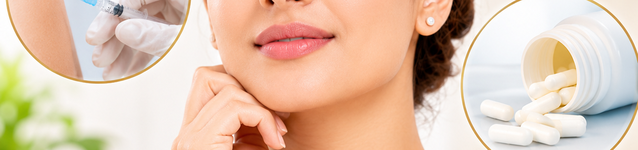
Both options provide glutathione, but their delivery methods are different. Here is how they compare.
1. Glutathione Injections
Glutathione injections deliver the antioxidant directly into the body. Intravenous injections introduce it into the bloodstream, bypassing the digestive system.
This method can increase circulating glutathione levels. However, higher levels in the bloodstream do not necessarily mean better skin-brightening results.
Potential advantages:
- Bypasses the digestive system.
- Delivers glutathione directly into the bloodstream.
- May be considered in specific medical settings under professional supervision.
Important considerations:
There is limited evidence supporting intravenous glutathione for cosmetic skin lightening. Its long-term safety is also not well established. Injection quality, preparation, and administration can further affect safety.
2. Oral Glutathione Supplements
Oral glutathione is available in capsules and tablets. It passes through the digestive system before entering the bloodstream.
Its absorption can vary depending on the formulation and individual health factors. Some small clinical studies have reported improvements in skin pigmentation, but the results are not consistent enough to guarantee benefits.
Potential advantages:
- Easy to take at home.
- Does not require needles or clinical administration.
- Generally more convenient than injections.
Important considerations:
Some people may experience digestive discomfort after taking supplements. Product quality and ingredient concentrations can also vary. Medical advice is important before starting supplementation.
Comparison Table: Injections vs. Oral Supplements
| Comparison factor |
Glutathione injections |
Oral glutathione |
| Delivery method |
Direct injection into the body |
Taken through the mouth |
| Absorption |
Bypasses digestion |
Passes through the digestive system |
| Convenience |
Requires professional administration |
Easy to take at home |
| Skin-brightening evidence |
Very limited for IV treatment |
Some small studies show potential benefits |
| Common side effects |
Injection reactions and allergic responses |
Bloating and stomach discomfort |
| Long-term safety |
Not well established |
Limited long-term data |
| Main concern |
Administration and product quality |
Variable absorption and supplement quality |
Neither option has been proven to provide permanent skin-lightening results. The right approach depends on individual health and skin concerns.
Injection or Oral? Get a Doctor's Opinion First
Every skin is different. Dr. Ravali will assess your skin concern, medical history, and goals before recommending whether glutathione, or a better-suited treatment, is right for you.
Book Your Skin Consultation
Which Option Is More Effective for Skin Brightening?
There is no strong evidence that glutathione injections are consistently more effective than oral supplements. Although injections can deliver higher amounts directly into the bloodstream, this does not establish better clinical outcomes.
A systematic review published in 2024 found that oral glutathione showed some potential for improving pigmentation. However, the evidence for intravenous treatment was much more limited.
Several factors can influence treatment outcomes:
- Skin type: Individual responses can differ.
- Pigmentation concerns: Melasma, sunspots, and post-inflammatory hyperpigmentation need different approaches.
- Treatment duration: Any visible changes may take time and may not last.
- Overall health: Medical conditions and medications can influence treatment suitability.
If you are considering supplementation, a top dermatologist in Hyderabad can help you understand the available evidence and discuss treatments suited to your skin.
What Are the Possible Side Effects?
Both forms of glutathione can cause side effects. However, injections require additional attention because they involve direct administration into the body.
Side Effects of Glutathione Injections
Possible side effects include:
- Pain, swelling, or redness around the injection site.
- Allergic reactions, which may sometimes be severe.
- Infection from unsafe injection practices.
- Reactions caused by contaminated or improperly prepared products.
The FDA has reported adverse events associated with certain compounded injectable glutathione products. These included fever, chills, dizziness, and symptoms linked to endotoxin contamination.
Side Effects of Oral Glutathione
Oral supplements are generally easier to use, but some people may experience:
- Bloating and stomach discomfort.
- Nausea.
- Loose stools.
- Possible interactions with medications or other supplements.
Long-term safety information is still limited. Avoid taking high doses without professional guidance.
What Should You Consider Before Choosing a Treatment?
Before choosing either option, understand your skin concerns and discuss your expectations with a qualified professional.
Keep these points in mind:
- Identify the concern: Understand whether you have melasma, tanning, dark spots, or uneven skin tone.
- Review your medical history: Share existing health conditions, allergies, and medications.
- Understand the risks: Ask about possible side effects and treatment limitations.
- Check product quality: Avoid unverified supplements and injectable products.
- Explore alternatives: Ask about sunscreen, topical treatments, and other dermatological procedures.
A best skin specialist in Hyderabad can help you understand whether glutathione is appropriate or whether another treatment may be more suitable.
How to Choose the Right Dermatologist for Glutathione Treatment?
Choosing a qualified dermatologist is important before starting any cosmetic treatment. Look for a professional with recognized dermatology qualifications and relevant experience.
They should explain the benefits, limitations, and possible side effects of the treatment. A good dermatologist will also review your medical history, discuss safety precautions, and provide proper aftercare and follow-up guidance.
A reliable skin doctor in Hyderabad should prioritize your skin health and recommend treatments based on medical evidence rather than promising instant skin-lightening results.
Make an Informed Decision About Your Skin with Dr Ravali
Glutathione injections and oral supplements have different benefits and risks, but neither guarantees permanent skin-brightening results. Before choosing a treatment, understand how to choose a dermatologist in Hyderabad who prioritizes your skin health and follows an evidence-based approach.
Consult Dr. Ravali to discuss your skin concerns, explore suitable options, and make an informed treatment decision.
Ready for Brighter, Healthier-Looking Skin?
Get a personalised, evidence-based skin plan from Dr. Ravali at Neya Dermatology & Aesthetics, Hyderabad.
Request a Consultation
Frequently Asked Questions:
1. Are glutathione injections better than oral supplements?
Not necessarily. There is insufficient evidence that injections provide better skin-brightening results than oral supplements.
2. How long does oral glutathione take to show results?
Some small studies have reported changes after several weeks, but results vary and are not guaranteed.
3. Are glutathione injections safe for everyone?
No. They may cause allergic reactions, infections, and other serious complications. Medical assessment is essential.
4. Can glutathione permanently lighten skin?
There is no reliable evidence that glutathione provides permanent skin-lightening results. Any changes may be temporary.
5. Should I consult a dermatologist before taking glutathione?
Yes. A dermatologist can assess your skin concerns, review your medical history, and explain suitable treatment options.