- By Dr. Ravali Yalamanchili
- 2026-03-24
Treatment for dark circles can produce visible results in as little as one session, but depending on the treatment, the whole transformation may take weeks or months. Keep reading to find out exactly what to expect.
Did you know? According to the Journal of Cutaneous and Aesthetic Surgery, periorbital hyperpigmentation, also referred to as dark circles, affects approximately 30% of individuals, predominantly women aged 16 to 25.
Yet, the majority of people suffer in silence while hiding behind concealers and waiting for a miracle. The good news? Scientifically, miraculous outcomes are now very much possible. Whether you are considering glutathione injection frequency adjustments, laser sessions, or PRP therapy, understanding your treatment timeline is the first step to brighter, younger looking eyes.
Key Takeaways
- Frequency of glutathione injections is important; with regular scheduling, you will see improvements after four to six sessions over a period of six to eight weeks.
- Dark circles treatment before and after results depend heavily on the root cause, like pigmented, vascular, or structural, so always get a proper diagnosis first.
- Using your body's own growth factors, PRP therapy for dark circles produces progressive effects over the course of 3-6 months with 3-4 sessions.
- Faster pigmentation reduction and skin tightening are two benefits of laser treatment for dark circles; full results are visible in 3-6 months.
- Expert consultation is the most crucial phase in your journey because the top skin specialists diagnose, customize, and monitor, in addition to treating.
How Glutathione Injections Help and How Often You Need Them
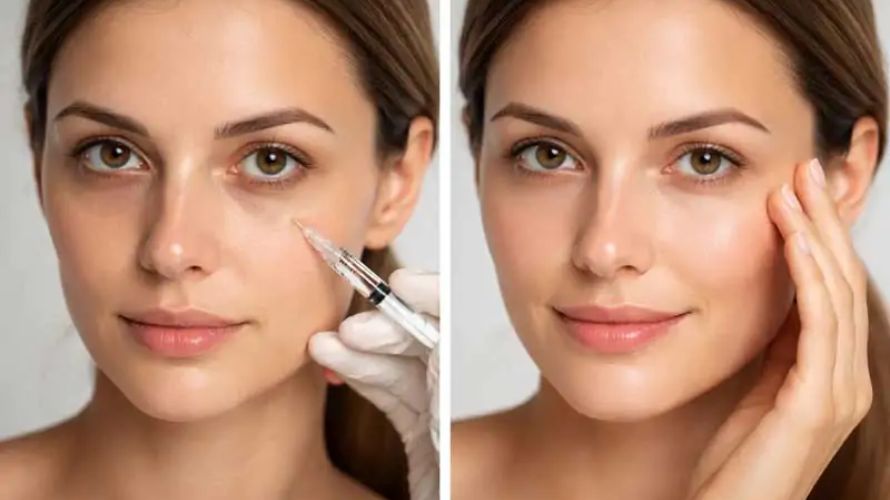
One of the most popular treatments for dark circles and general skin whitening is glutathione injections. The body naturally produces glutathione, a potent antioxidant. It combats oxidative stress and lowers melanin production, two major factors that contribute to under eye darkening.
What Is the Right Glutathione Injection Frequency for Dark Circles?
The majority of patients start by asking this question. The glutathione injection frequency typically recommended by dermatologists is:
- Initial Phase: For the first four to six weeks, once or twice a week.
- Maintenance Phase: Once every 2-4 weeks, after visible improvement.
After four to six sessions, results typically start to appear. But it takes around 8 to 12 weeks to see the full, radiant result. Here, consistency is crucial. Skipping sessions delays progress significantly.
Dark Circles Treatment Before and After: What to Realistically Expect
One of the most searched queries is dark circles treatment before and after results. And rightly so, because expectations must match reality for satisfaction.
Here is a realistic timeline of what patients experience:
|
Treatment Type
|
First Visible Results
|
Full Results
|
|
Glutathione Injections
|
4–6 sessions (4–6 weeks)
|
8–12 weeks
|
|
PRP Treatment
|
2–3 sessions (3–4 weeks)
|
3–6 months
|
|
Laser Treatment
|
1–2 sessions (2–4 weeks)
|
3–6 months
|
|
Chemical Peels
|
2–3 sessions
|
6–8 weeks
|
|
Tear Trough Fillers
|
Immediate
|
2–4 weeks (settling)
|
Important: Dark circles treatment before and after results vary from person to person. Lifestyle choices, skin type, pigmentation intensity, and the underlying reason for dark circles are all important factors.
PRP Treatment for Dark Circles: Healing from Within
PRP treatment for dark circles, often known as Platelet-Rich Plasma Therapy, uses the growth factors in your own blood to replenish the skin behind your eyes. It is among the most body-friendly and natural alternatives on the market right now.
How PRP Works Under the Eyes
Platelet rich plasma is extracted from a small sample of your blood and injected under your eyes. The growth factors:
Stimulate the collagen production
Improve blood circulation under the skin
Reduce the appearance of dark pigmentation and hollowness
PRP Timeline: When Will You See Results?
Weeks 1-2: Mild swelling and redness (typical healing response)
Weeks 3-4: Skin starts to appear more moisturized and refreshed.
Month 2-3: A notable decrease in puffiness and under-eye darkening
For best outcomes, the majority of dermatologists advise 3-4 PRP sessions spaced four weeks apart. PRP treatment for dark circles works best for patients whose dark circles are caused by thin skin, loss of volume, or poor blood circulation.
Laser Treatment for Dark Circles: Fast Track Your Results
If you want dramatic improvement in a shorter span, laser treatment for dark circles is one of the most effective clinical options available.
How Laser Therapy Targets Dark Circles
Lasers emit targeted light energy that:
- Breaks down excess melanin deposits under the eyes
- Tightens loose, crepey skin
- Stimulates new collagen formation
Laser Treatment Timeline
Session 1: Pigmentation starts to noticeably decrease
Sessions 2-4: Skin tightness and progressive lightening
Full results: visible three to six months after completing the suggested sessions
Laser treatment for dark circles is particularly effective for brown, pigment-driven dark circles. A combination strategy can be required for vascular or blue dark circles.
One important role: When undergoing laser operations, always see a licensed, skilled dermatologist. Poorly administered lasers can cause burns or worsen pigmentation.
Why Seeing the Best Skin Specialist Matters More Than You Think
All the treatments above can deliver brilliant results, but only when performed correctly. For this reason, choosing the best skin specialist in Hyderabad to treat dark circles is essential.
Here is what a qualified skin specialist does differently:
- Determines if a black circle is pigmented, vascular, structural, or mixed.
- Customizes a treatment plan instead of a one-size-fits-all approach
- Combines treatments to produce faster, more durable effects.
- Monitors your progress and adjusts frequency accordingly.
When clinical therapy is required, never self-treat using over the counter medications or at home gadgets. The under eye area is extremely delicate.
Factors That Affect How Fast Dark Circles Treatment Works
Even the best treatment takes time if certain lifestyle factors are working against you. These factors influence your results:
- Skin type and tone: Because darker skin tones are more sensitive to melanin, they may take longer.
- Root cause: Compared to dark circles caused by weariness, genetic dark circles require more time to correct.
- Age: The timescale is extended by the slower regeneration of older skin.
- Sun exposure: Treatment results are quickly reversed by unprotected sun exposure
- Sleep and hydration: Bad habits hinder healing and lessen the efficacy of treatment
- Alcohol and smoking: Both dehydrate skin and dilate under eye blood vessels.
In summary, your treatment strategy includes your lifestyle. If you sleep for four hours and don't wear sunscreen, neither an injection nor a laser will be effective.
Say Goodbye to Dark Circles, Take Action Today!
You no longer have to live with tired and dull eyes. Adjusting the frequency of your glutathione injection frequency, exploring PRP treatment for dark circles, or pursuing laser treatment for dark circles can all significantly improve your under eye region if you follow the appropriate plan under the guidance of an expert.
Dr. Ravali provides cutting edge, evidence based treatments customized to your particular skin type and concern if you're in Hyderabad and seeking individualized, outcome driven care. Go to our website or contact us to schedule a free consultation.
Frequently Asked Questions About Dark Circles Treatment
Q1. How long do glutathione injections take to work on dark circles?
Ans: Glutathione injections typically show initial improvements after 4–6 sessions. The recommended glutathione injection frequency is once or twice weekly during the first 6 weeks, followed by a maintenance schedule. Full results are usually visible by 8–12 weeks.
Q2. Is PRP treatment for dark circles permanent?
Ans: PRP treatment for dark circles is not permanent, but its results are long-lasting. Most patients enjoy results for 12 to 18 months. Periodic maintenance sessions help sustain the improvement. Lifestyle habits like good sleep and sun protection further extend the results.
Q3. Does laser treatment for dark circles hurt?
Ans: Most patients describe laser treatment for dark circles as mildly uncomfortable, similar to a rubber band snap on the skin. Topical numbing cream is usually applied before the procedure to minimise discomfort. There is minimal to no downtime involved.
Q4. How do I know which dark circles treatment is right for me?
Ans: The right treatment depends on the type of dark circles you have. Pigmented dark circles respond well to lasers and chemical peels. Vascular or hollow dark circles respond better to PRP or fillers. Only the best skin specialist can accurately diagnose your type and recommend the right combination.
Q5. Can dark circles come back after treatment?
Ans: Yes, they can, especially if underlying causes like sun exposure, poor sleep, or genetics are not managed. Regular maintenance sessions and a healthy lifestyle significantly reduce the chances of recurrence. Always follow your dermatologist's post-treatment care advice.