- By Dr. Ravali Yalamanchili
- 2026-07-02
Acne scars don't have to impact your life. The right treatment plan really can fade them, and yes, this is true even for the stubborn, years-old ones. If creams and home remedies haven't worked for you, stick around.
Did you know? According to ScienceDirect, acne scarring is a common problem affecting up to 95% of patients diagnosed with acne vulgaris.
That number sounds scary, but here's the good part: most cases respond well to professional treatment. So if you're hunting for acne scar treatment in Hyderabad, you're already headed in the right direction. The city is home to some genuinely skilled dermatologists who rely on science-backed methods, not gimmicks. Let's get into what actually works.
Key Takeaways
- Professional procedures like laser resurfacing and MNRF can remarkably reduce even the most persistent acne scars.
- Recognising the type of your scars is a prerequisite for choosing the safest and most efficient therapy.
- For Indian skin, MNRF is an excellent treatment option as it also gives quick healing with a very low risk of pigmentation.
- Regular treatment sessions, daily application of sunscreen, and continuous care contribute to the enhanced results of acne scar treatment over time.
- A personalised dermatologist-led treatment plan offers better outcomes than home remedies or generic solutions.
Why Do Acne Scars Form in the First Place?
Acne scars show up when inflamed pimples damage the deeper layers of your skin. Your skin then tries to heal itself, but the repair job isn't always perfect. Sometimes it lays down too little collagen. Other times, too much.
This is roughly how scars split into two camps:
Atrophic scars: Sunken, pitted marks, and honestly, the most common kind
Hypertrophic scars: Raised, thicker marks
Which scar removal method works for you really comes down to which type you have. A dermatologist can usually figure this out within minutes of looking at your skin.
Best Options for Acne Scar Removal
Not every treatment suits every scar, and that's worth understanding because so many people skip this step. Here's a quick comparison of acne scar removal treatments to make sense of your options.
|
Treatment
|
Best For
|
Downtime
|
Sessions Needed
|
|
Laser resurfacing
|
Pitted, textured scars
|
3-7 days
|
3-6
|
|
MNRF (Microneedling RF)
|
Deep, boxcar scars
|
2-4 days
|
4-6
|
|
Chemical peels
|
Mild surface scars
|
1-3 days
|
4-8
|
|
Dermal fillers
|
Sunken atrophic scars
|
None
|
As needed
|
Laser Resurfacing for Scars
Laser resurfacing for scars works by using focused light energy to strip away damaged skin layers. New, smoother skin grows back in its place; pretty neat, when you think about it.
There's a bonus too. The laser nudges your skin into producing more collagen underneath, which significantly improves texture over the following months. Many patients notice a visible change after just two sessions.
A quick note: fractional CO2 lasers tend to work best on deep scars, while lighter laser types are better suited to surface-level marks.
MNRF Treatment in Hyderabad
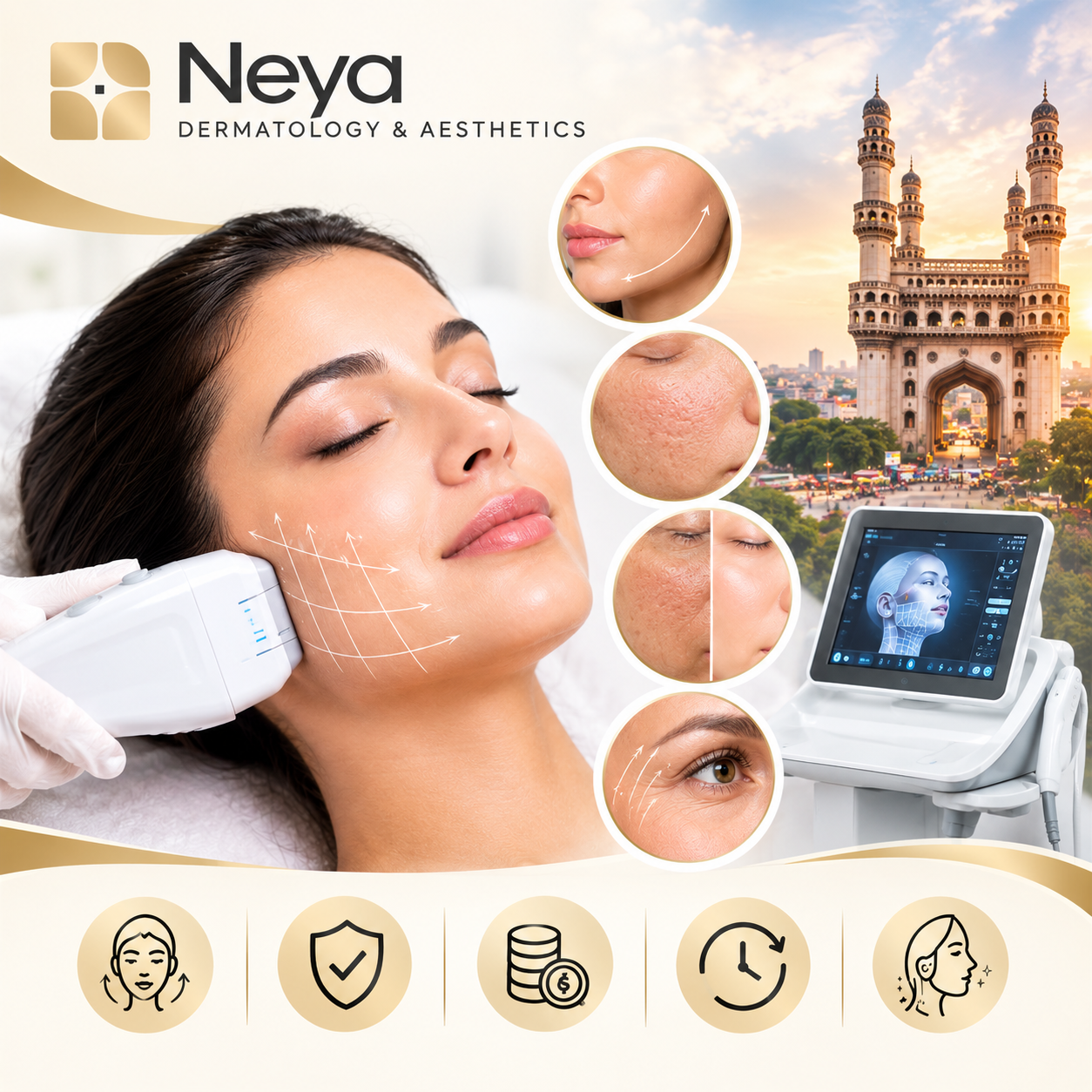
MNRF treatment in Hyderabad is getting popular lately, and honestly, it deserves the hype. MNRF stands for Microneedling Radiofrequency, in case the acronym had you guessing.
Here's the gist: tiny needles create controlled micro-injuries in the skin, and radiofrequency energy heats the tissue underneath. Together, they kickstart a serious round of collagen remodelling. Why do patients keep coming back to it?
-
It works on all skin tones, including darker Indian skin
-
The risk of pigmentation issues remains minimal
-
It's effective even on deep, stubborn scars
-
Recovery time is refreshingly short
Unlike older laser systems, MNRF leaves the skin's surface largely untouched. That alone makes it a safer bet for a lot of patients in Hyderabad.
What Happens During Your First Consultation?
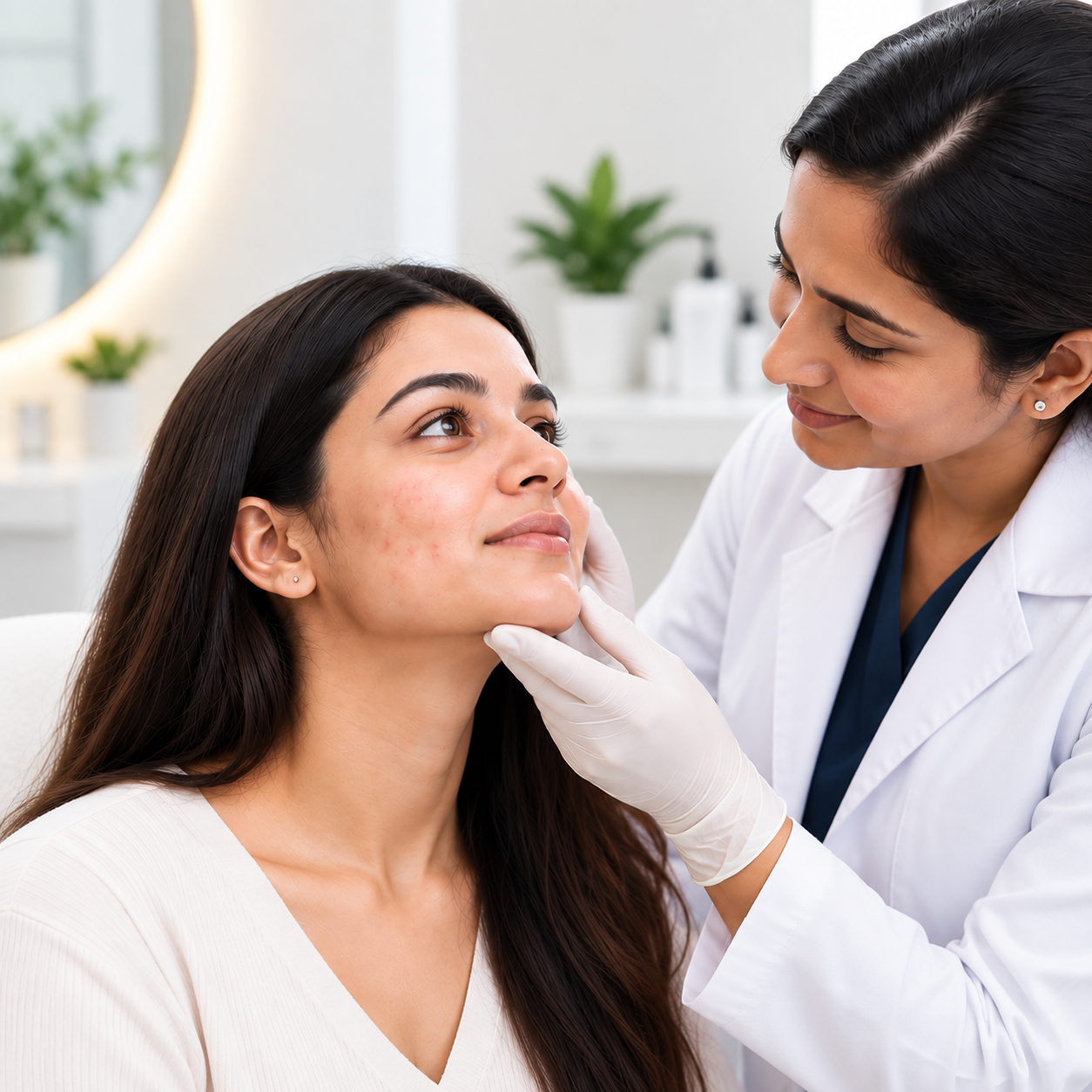
A good dermatologist won't rush you straight into treatment, and if one does, that's a red flag. They'll first take a close look at your skin.
- Skin type and tone assessment
- Scar depth and pattern mapping
- Medical history review
- Customised treatment plan creation
This step matters more than people realise. Skip it, and you risk poor results or worse, actual skin damage.
Common Mistakes People Make With Acne Scars
A lot of patients either delay treatment altogether or choose the wrong approach. Here's what to steer clear of:
- Picking at active acne: It only sets you up for worse scarring later
- Relying only on home remedies: They rarely touch deep scars
- Skipping sunscreen: Sun exposure darkens scars further, every single time
- Choosing one-size-fits-all clinics: Your scar type deserves a customized plan
- Stopping treatment too early: Collagen rebuilding simply takes time
Pro Tips for Faster, Lasting Results
A dermatologist's real-world experience often makes the real difference, more than any product label can. Having treated hundreds of acne scar cases over the years, a few patterns have become obvious pretty quickly. Patients who combine treatments alongside MNRF laser sessions tend to see faster improvement than those sticking to just one method.
Here are some tips to help you:
- You should use an SPF 30+ every day during the treatment, no exceptions
- Avoid harsh scrubs between sessions
- Stay consistent with your follow-up appointments
- Drink plenty of water to support the healing process
- Be patient; full results usually take 3-6 months to show.
How Long Does Treatment Actually Take?
It depends, honestly, on scar severity and treatment type. Mild scars can improve within 6-8 weeks. Deeper, pitted scars usually need 4-6 months of consistent sessions before you see real change.
Your dermatologist will track progress at every visit and tweak the plan along the way, if needed.
Say Goodbye to Acne Scars Now!
Stop those old acne scars affecting your confidence for a long time. With the right acne scar treatment in Hyderabad, you can get even smoother skin than you thought. Dr Ravali offers personalised plans that focus on the latest laser and MNRF technology. Visit our website to get more insights and schedule a consultation now.
FAQs
Q1. Is it possible to get rid of acne scars permanently?
Ans: Yes, certain procedures such as laser resurfacing and MNRF are capable of reducing scarring a lot, and in some cases, the result is permanent. Still, factors like the depth of scars and type of skin affect the outcome.
Q2. What is the most effective treatment for deep acne scars?
Ans: Generally, MNRF and fractional laser resurfacing are effective methods for the treatment of deep, pitted scars. You should consult a dermatologist who will be able to recommend the best treatment plan that suits you.
Q3. Is MNRF treatment painful?
Ans: Typically, the clinics will apply a numbing cream before the procedure. People usually report that it's more of a slight discomfort than pain.
Q4. How many sessions are required for acne scar removal?
Ans: Many people require approximately 4-6 sessions, spaced 3-4 weeks apart, before they see results.
Q5. Are laser treatments safe for Indian skin tones?
Ans: They are, if a skilled dermatologist properly adjusts the settings. MNRF, in fact, everyone knows, is very safe for darker skin tones.