- By Dr. Ravali Yalamanchili
- 2026-02-06
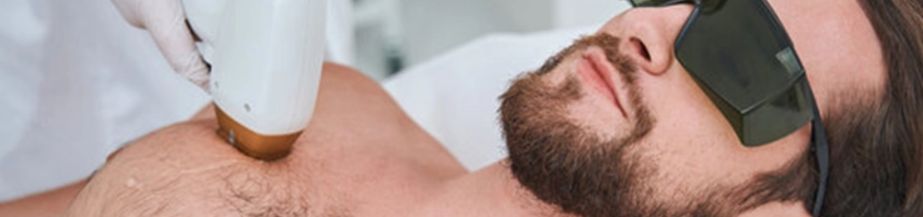
Because of differences in biology, laser hair removal for men and women works differently. However, with the right method, both men and women can get smooth, long-lasting results.
"Did you know that, according to the American Academy of Dermatology Association, patients can expect a 10% to 25% reduction in hair after the first treatment."
This makes it a popular choice amongst people who want to get rid of hair permanently. If you're thinking about laser hair removal for men or women, understanding gender specific differences will help you make smart choices about your treatment.
Key Takeaways
- Men need more sessions than women, as testosterone makes hair grow faster. Also, the treatment areas are bigger on men.
- Small areas like the face and underarms usually show effects faster for women.
- For men, facial hair laser treatment targets coarse beard growth, while for women, it targets fine facial hair.
- Hormonal factors have a big effect on both the success of treatment and the amount of care that needs to be given.
- By choosing a certified dermatologist laser hair removal clinic run by a qualified dermatologist, you can be sure of safe, customized treatments that give you the best results.
Why Hair Removal Needs Differ Between Genders
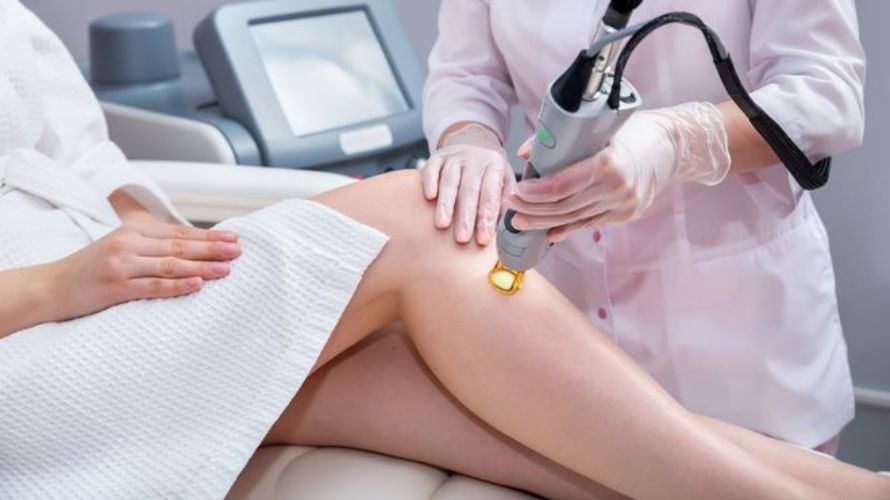
Hormones cause hair to grow in different ways in men and women. Men's hair gets thicker and rougher because of testosterone, mostly on the face, chest, and back. Legs, underarms, and the waistline are common places for women to have fine hair. These biological differences have a direct effect on how treatments are given and how well they work.
Changes in hormones can also affect the thickness and growth patterns of hair. Men's hair cells tend to be more active, so they need more sessions. Changes in a woman's hormones during her period, pregnancy, or menopause can affect how well treatment works.
Treatment Areas: What Men and Women Prefer
Popular Zones for Women
Women commonly seek treatment for:
- Legs (full or half)
- Underarms
- Upper lip and chin
- Arms
Laser hair removal sessions for women typically focus on larger surface areas. Most female clients still want their legs to be smooth and their underarms to be hair-free.
Common Areas for Men
Men frequently request:
- The shoulders and back
- Chest and abdomen
- Facial Hair
- Neck and Nape
- Arms and Legs
Stop enduring painful razor burns! Laser treatments can help you lose weight permanently, which will save you time and pain every day.
Technical Differences in Treatment Approach
Hair Thickness and Texture
Because men have more melanin in their hair, lasers work well on their thicker hair. Facial hair laser treatment for men works very well because thicker follicles soak up more light. However, this also means that guys may feel a little more pain during sessions.
For the best results, women's thinner hair sometimes needs the settings for optimal results. Professionals change the laser's strength based on the type of hair and how sensitive the skin is.
Pain Tolerance and Sensation
How each person feels pain is different, not just based on gender. However, areas with thicker hair (common in men) may feel more intense. Modern cooling devices make discomfort a lot less severe.
Most clients say it feels like a rubber band snapping. For sensitive places, you can get creams that numb the skin.
Session Requirements: Men vs Women
|
Factor
|
Men
|
Women
|
|
Average Sessions
|
6-10 sessions
|
5-8 sessions
|
|
Session Intervals
|
4-8 weeks
|
4-6 weeks
|
|
Maintenance
|
1-2 yearly touch-ups
|
1 yearly touch-up
|
|
Treatment Duration
|
30-90 minutes
|
20-60 minutes
|
Men typically need more sessions because their higher testosterone levels make their hair grow back faster. Most of the time, women finish their treatment rounds faster, especially in smaller areas.
Hormonal Considerations That Impact Results
For Women
Excessive hair growth can be caused by Polycystic Ovary Syndrome (PCOS) and other hormonal issues. These conditions may require ongoing care even after initial consultations.
Consulting the best skin specialist in Hyderabad at a laser hair removal clinic ensures accurate diagnosis and a personalized treatment plan tailored to your needs.Hair growth patterns may change briefly during pregnancy and breastfeeding. Most doctors say that treatments should be put off during these times.
For Men
Because testosterone makes hair grow, the effects may not be stable for a long time. Men who are athletic and use performance supplements should talk to their doctor about the possible effects on their skin. Medications that change hormone levels can change how well treatment works.
Cost Variations Between Men and Women
The laser hair removal cost in Hyderabad depends on the size of the treatment area and the number of sessions that are needed. Men usually pay more because they want to cover more, like their chest or back. There are smaller areas for women that cost less per treatment, like the upper lip or underarms.
It's easier to afford treatments when you look for package deals and special deals. A lot of clinics offer prices that are customised to each person's needs.
Choosing the Right Clinic Matters
Choosing a dermatologist laser hair removal clinic with a good experience makes sure that treatments are safe and work well. Dermatologists who are board-certified know more about hair and skin types than most beauty salons.
Nd: YAG or Alexandrite lasers are examples of advanced technology that can be used on different skin tones in different ways. Before starting treatments, professional centers use the Fitzpatrick scale to figure out what type of skin you have.
If you want laser hair removal in Hyderabad, look into the clinic's credentials and read reviews from past clients. FDA-approved tools and trained technicians are non-negotiable factors.
Aftercare: Gender-Specific Tips
Care after treatment is mostly the same for both men and women, with a few small differences:
For Everyone:
- Avoid sun exposure for 48 hours.
- Don't take a hot shower right after treatment.
- Apply soothing aloe vera gel.
- Between sessions, don't wax or pluck.
For Men:
For Women:
Ready to Experience Permanent Hair Reduction?
Men and women should both feel good in their own skin. Laser hair removal for men and women has changed the way people take care of themselves, and the effects last for a long time. Professional treatments work wonders, whether you want smooth legs or a back without hair.
Customized laser treatments are what Dr Ravali’s clinic does best for people of all skin types and genders. Visit Dr Ravali’s website to book an appointment today. Our dermatologists assess your specific needs and create a personalized treatment plan just for you. Book your consultation today.
FAQs
1. How many laser hair removal sessions do men need compared to women?
Most of the time, men need 6 to 10 sessions, and women need 5 to 8 sessions. Different hormones and hair thickness affect how many sessions are needed.
2. Is facial hair laser treatment painful for men?
Most men feel minor pain that feels like a rubber band snapping. Cooling devices and numbing creams make pain a lot less severe.
3. Can women get permanent results from laser hair removal?
Yes, after the suggested sessions, women lose 80 to 95 per cent of their hair permanently. Maintenance treatments keep the skin smooth for a long time.
4. What affects laser hair removal cost in Hyderabad?
A clinic's name, the number of sessions, the size of the treatment area, and the technology used all affect the price. Men's places that are bigger usually cost more.
5. Why should I choose a dermatologist's laser hair removal clinic?
Dermatologists understand skin biology, use FDA-approved tools, and make sure treatments are safe and successful by customising them according to each patient's skin type.