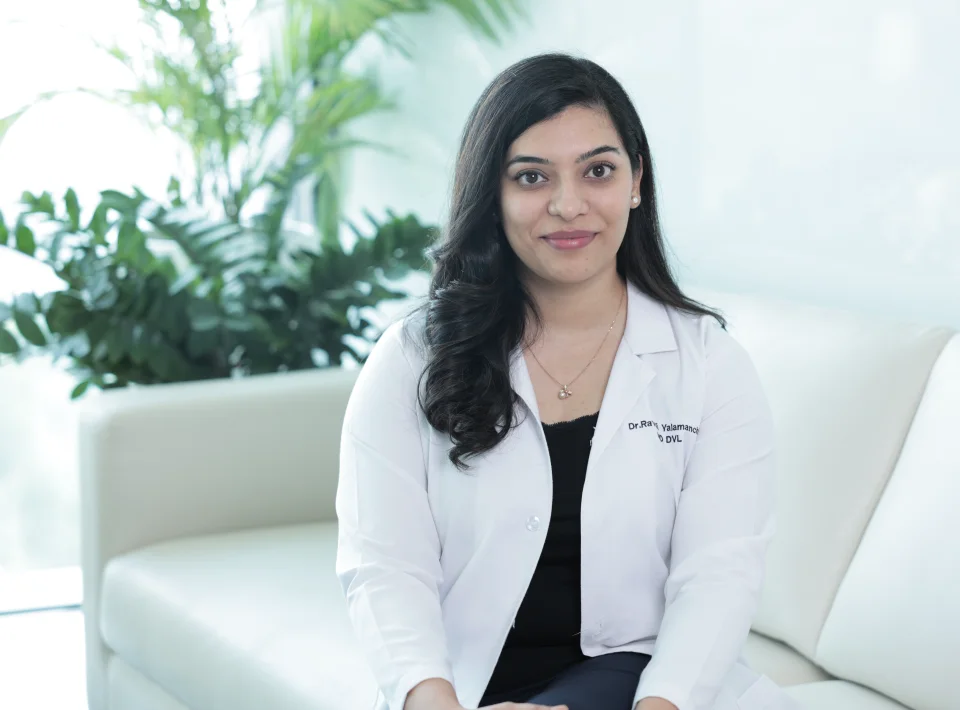
- By Dr. Ravali Yalamanchili
- 2026-08-03
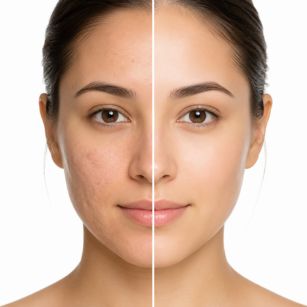
Dark spots don't fade because regular skincare can't fix deep-set melanin. Pigmentation treatment in Hyderabad goes after the root cause, right where creams don’t reach.
According to the NIH, the pigmentary response of the skin to UV is determined to a large extent by constitutive pigmentation and is more pronounced with darker skin colour.
That's exactly why old spots often look darker in summer. If you've already tried creams, face packs, and home remedies but your dark spots haven't faded, you're not alone. Most people only look into pigmentation treatment in Hyderabad once these usual fixes fall short.
Melanin gives your skin its colour. Special cells called melanocytes produce it. When these cells produce too much melanin, dark spots or patches begin to appear on your skin. Sun exposure, hormones, old acne marks, past injuries; all of these push melanin production higher than it should be. Regular skincare mostly sits on the surface. It just can't reach the melanin sitting deeper in your skin.
Key Takeaways
- Dark spots persist stubbornly because deep-set melanin sits well beyond the reach of surface creams and serums.
- Melasma is uniquely stubborn and needs a gentler, layered treatment approach rather than harsh scrubbing or bleaching creams.
- Clinical options such as chemical peels and lasers target pigmentation directly at its biological root, unlike surface fixes.
- Laser treatment for pigmentation breaks melanin into fine particles so your body can flush it out naturally.
- Daily broad-spectrum sunscreen is essential groundwork, stopping fresh pigmentation from forming even after successful treatment sessions.
What's Really Stopping Your Skin From Clearing Up?
Your dark spots aren't being stubborn for no reason. There's a genuine biological explanation behind the delay.
Sun exposure keeps triggering fresh melanin, undoing whatever progress treatment made.
Hormonal shifts during pregnancy or on contraceptives often cause deeper, harder pigment.
Acne marks heal slowly since inflammation lingers well under the skin's surface.
Old, layered pigmentation simply won't respond to a surface-level cream.
The wrong products can quietly worsen patches instead of fading them out.
This is exactly where skin pigmentation treatment steps in, armed with tools that go far beyond a tub of cream.
Melasma: The Toughest Pigmentation Villain
Melasma deserves its own mention here. It shows up as symmetrical brown patches across the cheeks, forehead, and upper lip. It's fairly common during pregnancy or while on birth control. Melasma also reacts badly to heat, sun, and any harsh scrubbing. Melasma treatment in Hyderabad usually calls for a gentler, more layered approach than other pigmentation types. Dermatologists tend to combine peels, medical-grade actives, and laser sessions to get results that actually stick.
How Does Professional Treatment Actually Work?
Home remedies work on the surface. Clinical treatments, on the other hand, work at the source.
|
Concern
|
Home Remedy Result
|
Clinical Treatment Result
|
|
Fresh acne marks
|
Slow, only partial fading
|
Faster, noticeably even fading
|
|
Sun spots
|
Little to no real change
|
Visible reduction within a few weeks
|
|
Melasma
|
Often gets worse over time
|
Managed properly with expert protocols
|
|
Old, deep pigmentation
|
Rarely shows any improvement
|
Targeted directly at the root cause
|
Skin pigmentation treatment in Hyderabad clinics usually combines more than one method at once. Chemical peels lift away dead, pigmented cells. Medical facials help calm the underlying inflammation. Sunscreen guidance protects the newly treated skin from fresh damage down the line.
Laser Toning: The Precision Approach
Laser treatment for pigmentation is easily the most talked-about option right now, and there's a good reason for that. Lasers emit focused light straight into the skin. This light breaks stubborn, excess melanin down into tiny particles. The body then flushes these particles out on its own, naturally. Unlike creams, lasers can actually reach pigment sitting much deeper in the skin. Most people need a handful of sessions, spaced a few weeks apart, for fading that's steady and safe rather than rushed.
The American Academy of Dermatology notes that daily broad-spectrum sunscreen is one of the most effective ways to stop hyperpigmentation from creeping back after treatment. That makes sun protection a genuinely non-negotiable step, not some optional extra.
Common Mistakes That Keep Pigmentation Stuck
A lot of people end up slowing down their own progress without even realising it.
Skipping sunscreen just because the day looks cloudy.
Picking or scrubbing at acne, which only triggers fresh dark marks.
Reaching for strong bleaching creams without any real medical guidance.
Stopping treatment too soon, before the melanin has fully cleared out.
Ignoring the hormonal triggers that keep bringing melasma back.
Small, consistent habits tend to matter far more than one pricey session ever will.
Pro Tips For Faster, Safer Results
- Reapply sunscreen roughly every three hours whenever you're outdoors.
- Skip steam facials right after a laser session, at least for a bit.
- Stay consistent with every follow-up, not just the very first one.
- Check with your dermatologist before trying new activities at home.
- Treat acne early on to stop fresh pigmentation before it even starts.
Take the First Step Toward Clear, Even-Toned Skin!
Dark spots won't fade on their own, but that doesn't mean they have to stay forever either. The right pigmentation treatment in Hyderabad targets melanin at its source, not just the surface layer. Whether it's stubborn melasma, old acne marks, or plain sun spots, a plan built around your skin is what makes the actual difference.
At Neya Skin Clinic, Dr Ravali assesses your skin type before recommending any procedure at all. For more treatment options and costs, visit our website. Book a consultation and take that first step towards clearer, even-toned skin.
FAQs
1. How long does pigmentation treatment take to show results?
In many cases, you start seeing the pigmentation fade visibly during a four to six-week period. The duration of the treatment mainly depends on the depth of pigmentation as well as on your individual skin type and your history.
2. Is laser treatment for pigmentation safe for all skin tones?
Yes, laser treatment of pigment spots is generally safe and can be applied to most skin tone shades, provided, as a rule, a certified professional chooses the right laser for you and matching energy levels corresponding to your type of skin and pigmentation.
3. Is there a chance melasma can disappear completely?
Melasma can usually be managed quite effectively with the right treatment plan, though it often needs ongoing care since hormonal triggers like pregnancy or contraceptives can bring it back.
4. Does pigmentation treatment hurt?
Absolutely! The most painful part is the moment of the procedure itself. Most patients feel an almost unbearable heat, a slight burning or prickling sensation. Then it goes away after the session ends.
5. How many sessions are generally needed for visible change?
The average person should get about 5 to 6 sessions at about 4 weeks apart to notice a marked permanent difference in the skin's surface. Patients with a long history of pigmentation problems will probably require slightly more treatment sessions.