- By Dr. Ravali Yalamanchili
- 2026-07-14
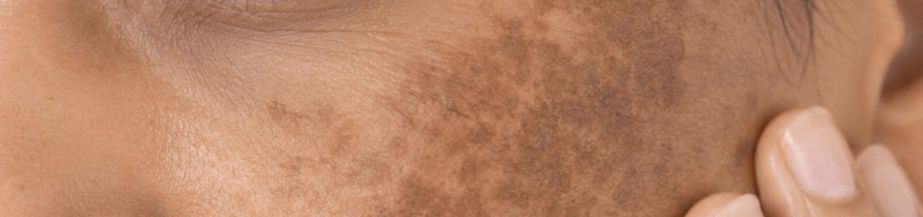
Melasma is a hormone-related form of pigmentation that usually appears in symmetrical patches, while pigmentation includes many types of skin discoloration caused by sun damage, acne, aging, or injury. Correct diagnosis is the key to choosing the right treatment.
Did you know? According to the NIH, a large sample study across four Indian cities revealed that more than 80% of the population present skin color heterogeneity on the face, irrespective of age and gender..
So if you're researching melasma treatment in Hyderabad, you're at the right place, because this is one of the most common skin related concerns. Patients treat melasma like ordinary pigmentation, use the wrong products for months, and wonder why nothing's changing. The two conditions can look nearly identical to an untrained eye. In this guide we will understand what is the difference between melasma and pigmentation and what is the difference and how each is treated.
Key takeaways
- Melasma forms symmetrical patches; pigmentation shows up randomly and scattered.
- Hormones and genetics drive melasma; sun and injury drive regular pigmentation.
- Laser toning for melasma works best with patience and a few sessions, not one.
- Regular pigmentation usually fades faster, with serums and peels doing the heavy lifting.
- Daily sunscreen isn't optional for either condition, it's essential.
Pigmentation Treatment: What Regular Dark Spots Actually Are
Pigmentation is a fairly broad term, and that's part of the confusion. It simply means any patch of skin that's darker than what's around it. A decent pigmentation treatment plan always starts with one question: what's causing this spot in the first place?
Common Causes of Dark Spots on Face
Most dark spots on face trace back to a handful of usual suspects:
- Years of sun exposure, unprotected
- Old acne marks that refused to fade
- Ageing, and skin's slower cell turnover
- Old injuries or burns
- A few medications, as a side effect
These spots tend to be flat, small, and scattered around randomly. There's no real pattern to them. And sunscreen with a decent cream can fade a lot of these within a few weeks.
What Makes Melasma Different
You're probably looking at melasma, not regular pigmentation, if you notice:
- Symmetrical patches, one on each cheek
- A brown or grey-brown shade
- Patches sitting on the forehead, nose, or upper lip
- Darkening that got worse during pregnancy or after starting a hormonal medication
- Patches that keep coming back, even after treatment
Hormones are the big troublemaker here. Pregnancy, birth control pills, thyroid problems, all of these can set melasma off. And genetics play a part too, nearly a third of melasma patients have a family member who's dealt with it as well.
Melasma vs Pigmentation: A Quick Comparison
|
Factor
|
Melasma
|
Regular Pigmentation
|
|
Pattern
|
Symmetrical, patchy
|
Random, scattered
|
|
Common area
|
Cheeks, forehead, upper lip
|
Anywhere on the body
|
|
Main trigger
|
Hormones, genetics, sun
|
Sun, injury, acne
|
|
Recurrence
|
High, even after treatment
|
Lower once treated
|
|
Response to treatment
|
Slow, needs patience
|
Usually faster
|
How Each Condition Actually Gets Treated
Once the diagnosis is clear, the treatment path splits quite a bit. This is exactly why self-treating melasma with random internet-recommended creams almost never ends well.
Laser Toning for Melasma
Laser toning for melasma has quietly become one of the more trusted options over the last few years. It works through gentle laser pulses that break down the excess pigment sitting deeper in the skin, without damaging the surface layer.
Sessions happen a few weeks apart, not back to back. Most patients need several sittings before they notice real change, and that's fine, because patience matters far more than speed when it comes to melasma. Rush it, and you risk making the patches more stubborn than before. Dermatologists usually pair the laser sessions with a few supporting steps:
- Topical brightening agents
- Sunscreen, applied daily, no exceptions
- Oral supplements, in select cases
- Chemical peels, done carefully and gradually
Treatments for Regular Pigmentation
Regular dark spots, on the other hand, tend to respond to simpler regular treatments like:
- Vitamin C serums
- Retinol-based creams
- Chemical peels for surface renewal
- Broad-spectrum sunscreen, every single day
Since these spots sit closer to the surface, results usually show up quicker. A month or two, and most patients already see a visible difference.
Pro Tip: Don't skip sunscreen. It doesn't matter which of the two conditions you're dealing with, sun exposure makes both worse. A broad-spectrum SPF 50, applied every single morning, protects whatever progress you've made and keeps new spots from forming in the first place.
Take the First Step Towards Even-Toned Skin!
Guessing your way through skin treatment wastes both time and money. A proper diagnosis saves you both. If your patches keep returning, or seem to be spreading, it's worth seeing a dermatologist before trying yet another product off a shelf. For more detail on melasma treatment in Hyderabad, book a consultation with Dr Ravali. Visit our website and start working towards even-toned skin, starting now.
FAQs
Q1. Can melasma be cured permanently?
Ans: Not really "cured" in the strictest sense, but it can be managed well. It tends to return with sun or hormone triggers, so long-term sunscreen use is what keeps it in check.
Q2. How many laser sessions are needed for melasma?
Ans: Most patients need somewhere between six and eight sessions, spaced a few weeks apart, depending on how severe things are.
Q3. Is melasma more common in pregnant women?
Ans: Yes, pregnancy hormones are a well-known trigger. It's sometimes even called the "mask of pregnancy" for that reason.
Q4. Does pigmentation go away on its own?
Ans: Mild pigmentation, from old acne marks for instance, can fade slowly over time on its own. Active treatment just speeds things up considerably.
Q5. What is the fastest way to treat dark spots on your face?
Ans: A mix of chemical peels, topical retinoids, and daily sunscreen tends to give the quickest visible results.