- By Dr. Ravali Yalamanchili
- 2026-11-01
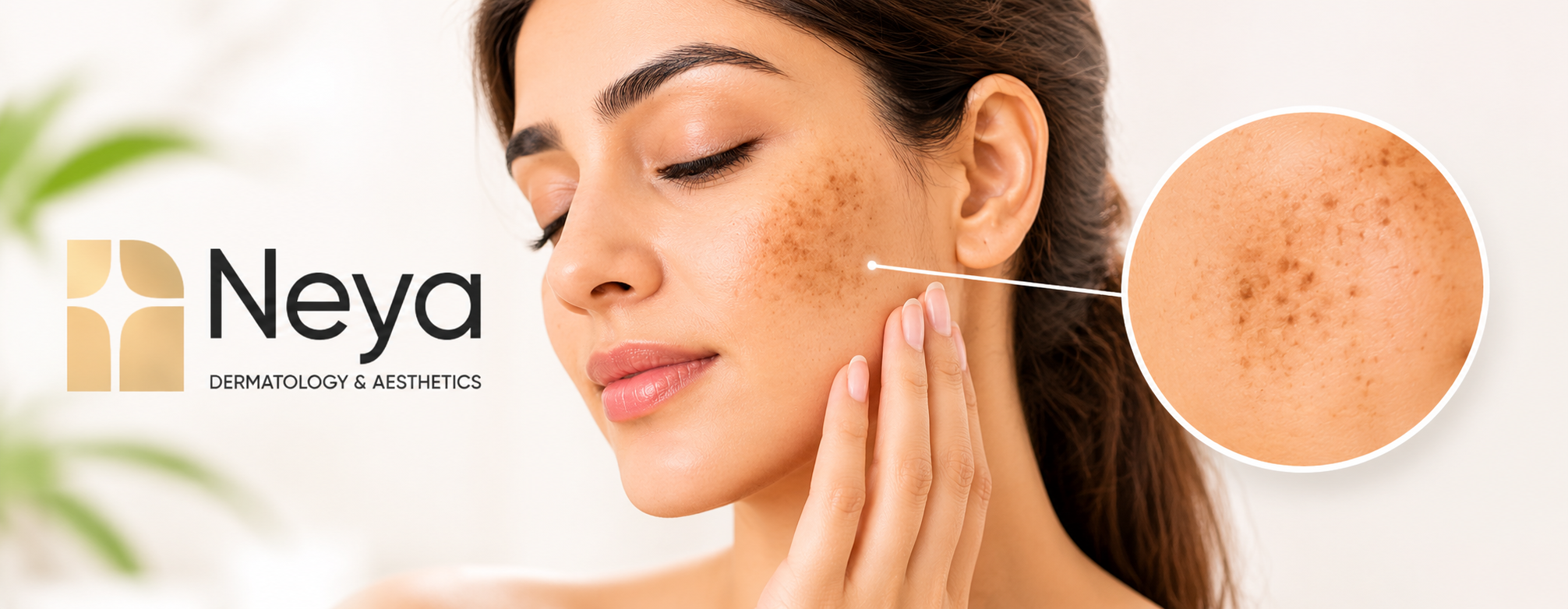
Uneven skin tone, dark spots, and dullness can make your skin look tired, even when you follow a regular skincare routine. These concerns may develop due to sun exposure, hormonal changes, acne, or irritation.
Consulting a skin specialist in Hyderabad can help you understand the cause and choose a treatment that suits your skin type. The right approach focuses on improving skin health rather than simply covering up visible marks.
Key Takeaways:
- Pigmentation can develop due to sun exposure, hormonal changes, acne, and inflammation.
- Dark spots may need different treatments depending on their cause and depth.
- Daily sunscreen use helps prevent existing pigmentation from becoming more noticeable.
- Professional skin treatments should be selected according to your skin condition and medical history.
- Consistent skincare and realistic expectations are important for long-term results.
What Causes Pigmentation, Dark Spots, and Dull Skin?
Pigmentation occurs when the skin produces or distributes melanin unevenly. Melanin is the natural pigment that gives your skin its color. When it accumulates in certain areas, it can create dark patches, spots, or an uneven complexion.
Dull skin is slightly different. It may look tired or lack radiance because of dryness, dead skin cell buildup, irritation, or environmental exposure.
Here are some common reasons these concerns develop.
1. Sun Exposure
Ultraviolet (UV) rays stimulate melanin production. Regular exposure without adequate protection can lead to sunspots, uneven skin tone, and darker existing marks.
2. Hormonal Changes
Hormonal fluctuations during pregnancy or while using certain hormonal medications can contribute to melasma. This condition often appears as brown or grayish patches on the cheeks, forehead, or upper lip.
3. Acne and Skin Inflammation
Pimples, insect bites, skin injuries, and irritating skincare products can leave dark marks after the inflammation settles. This is known as post-inflammatory hyperpigmentation.
4. Dehydration and Dead Skin Buildup
Dry skin can appear rough and less radiant. A buildup of dead skin cells may also make the complexion look uneven, although dullness does not always indicate a pigmentation problem.
5. Inappropriate Skincare Products
Using harsh scrubs, strong exfoliating acids, or multiple active ingredients without proper guidance can irritate the skin. In some people, this irritation can trigger or worsen pigmentation.
Understanding the cause is the first step toward choosing an effective solution.
When Should You Consult a Skin Specialist?
Not every dark spot requires medical treatment, but persistent or worsening pigmentation deserves attention. A skin doctor in Hyderabad can assess your skin, review your skincare routine, and identify whether the concern relates to sun damage, melasma, acne marks, or another condition.
Consulting the best dermatologist in Hyderabad for your individual needs can also help you avoid unnecessary treatments and products that may aggravate your skin.
Consider seeking professional advice if you notice:
- Dark patches that continue to spread or become darker.
- Pigmentation that does not improve with consistent skincare.
- Repeated acne breakouts that leave persistent marks.
- Skin irritation, redness, or burning after applying products.
- Uneven skin tone that affects your confidence or daily comfort.
A spot that changes rapidly in size, shape, or color, or develops bleeding or other unusual changes, should be medically evaluated promptly. Do not assume every changing spot is ordinary pigmentation.
How Can You Improve Pigmentation and Dark Spots?
1. Make Sunscreen a Daily Habit
Sunscreen is one of the most important steps in managing pigmentation. Choose a broad-spectrum sunscreen with SPF 30 or higher and apply it generously to exposed skin.
For better protection:
- Apply sunscreen before going outdoors.
- Reapply approximately every two hours when outside, and after swimming or sweating.
- Wear a wide-brimmed hat when spending time in direct sunlight.
- Seek shade during periods of strong sunlight.
Consistent sun protection helps prevent new dark spots and reduces the risk of existing pigmentation becoming more noticeable.
2. Choose Skincare Ingredients Carefully
Certain ingredients may help improve uneven skin tone when used appropriately. However, no single ingredient works for every pigmentation concern.
| Ingredient |
How it may help |
| Vitamin C |
Supports antioxidant protection and may improve the appearance of uneven tone. |
| Niacinamide |
May help improve uneven pigmentation and support the skin barrier. |
| Azelaic acid |
Can help manage acne and certain types of post-inflammatory pigmentation. |
| Retinoids |
May improve skin cell turnover and help with acne-related marks. |
| Gentle moisturizers |
Reduce dryness and support a healthy skin barrier. |
Introduce new products gradually. Some active ingredients can cause irritation, particularly when combined or used too frequently. Retinoids should be avoided during pregnancy unless specifically advised by an appropriate healthcare professional.
3. Avoid Harsh Home Remedies
Lemon juice, rough scrubs, and unverified skin-lightening mixtures can irritate the skin and potentially worsen dark marks. Scrubbing harder does not remove pigmentation more effectively.
Instead, use gentle cleansers, moisturizers, and suitable treatment products. If a product causes persistent burning, redness, or peeling, stop using it and seek professional advice.
Which Professional Treatments May Help?
When home care is not enough, a dermatologist may recommend a treatment based on your specific concern. The goal is to improve pigmentation safely while minimizing irritation and the risk of further discoloration.
Topical Prescription Treatments
A dermatologist may recommend prescription creams containing ingredients such as hydroquinone or other suitable medications for certain pigmentation conditions. These treatments require appropriate supervision because incorrect use can cause irritation or other side effects.
Chemical Peels
Chemical peels use selected acids to remove controlled layers of damaged skin cells. They may help improve certain types of superficial pigmentation and uneven texture. The strength and formulation must suit your skin, as aggressive peels can worsen pigmentation in some skin tones.
Laser and Light-Based Treatments
Certain laser or light-based procedures may help address selected pigmented lesions. However, not every pigmentation concern responds well to these treatments. The wrong device or settings can cause burns and post-inflammatory hyperpigmentation, particularly in darker skin tones.
Treatment for Acne-Related Marks
If active acne is contributing to new dark spots, controlling breakouts is an important part of treatment. A dermatologist may suggest acne medications alongside products that gradually improve residual pigmentation.
The best skin specialist Hyderabad patients choose should explain the expected benefits, possible side effects, and realistic timeline before recommending a procedure. In many cases, combining suitable topical care with sun protection is more appropriate than starting with an expensive treatment.
How to Choose the Right Dermatologist for Your Skin
Choosing a dermatologist involves more than comparing treatment prices or looking at before-and-after photographs. Your skin needs an individualized plan that considers its current condition and your medical history.
Use this checklist when evaluating your options:
- Check qualifications: Look for a properly qualified dermatologist with relevant clinical experience.
- Understand the assessment: The doctor should examine your skin and discuss possible causes before suggesting treatment.
- Ask about risks: Understand the possible side effects, downtime, and precautions associated with each option.
- Discuss your routine: Share the skincare products and medications you currently use.
- Set realistic expectations: Pigmentation often improves gradually, and some conditions may need ongoing maintenance.
If you are comparing options for the best skin doctor in Hyderabad, prioritize clinical expertise, clear communication, and a treatment plan suited to your needs rather than promises of instant results.
What Does a Simple Daily Skincare Routine Look Like?
You do not need a complicated routine to support healthier-looking skin. Consistency and suitable products matter more than the number of steps.
Morning routine
- Wash your face with a gentle cleanser.
- Apply a suitable moisturizer.
- Use broad-spectrum sunscreen with SPF 30 or higher.
Evening routine
- Remove sunscreen, makeup, and daily impurities.
- Apply a recommended treatment product if suitable for your skin.
- Finish with a moisturizer to help maintain the skin barrier.
Avoid introducing several active ingredients at once. Give your routine time to work, and remember that improvement in pigmentation can take several weeks or months, depending on its cause and severity.
Take the Next Step Toward Healthier-Looking Skin
Pigmentation, dark spots, and dullness can have different causes, so using random skincare products may not give you the results you want. Start with gentle cleansing, suitable moisturization, and consistent sun protection.
If the concern persists, consult a skin specialist in Hyderabad to understand your options and build a treatment plan around your skin's needs. At Dr Ravali, seek informed guidance to help you make confident skincare decisions and work toward a healthier, more even-looking complexion.
Frequently Asked Questions:
1. Can pigmentation disappear completely?
Some types of pigmentation can improve significantly, while others may persist or return. Results depend on the cause, depth, and response to treatment. Sun protection helps maintain improvements.
2. How long does it take to reduce dark spots?
Mild acne marks may take several weeks to months to fade. Deeper pigmentation and melasma can take longer and may require ongoing care.
3. Is sunscreen necessary when staying indoors?
Sunscreen is particularly important near windows or when spending time outdoors. Your level of exposure and the type of pigmentation you have can influence how much protection you need.
4. Are chemical peels safe for all skin types?
No. Chemical peels must be selected according to your skin condition and tone. Incorrect peel strength or technique can cause irritation, burns, and increased pigmentation.
5. When should I seek professional treatment for dull skin?
Consider a consultation if dullness persists despite gentle skincare, or if it occurs alongside dark patches, acne, irritation, or unusual skin changes. A professional assessment can help identify the cause.