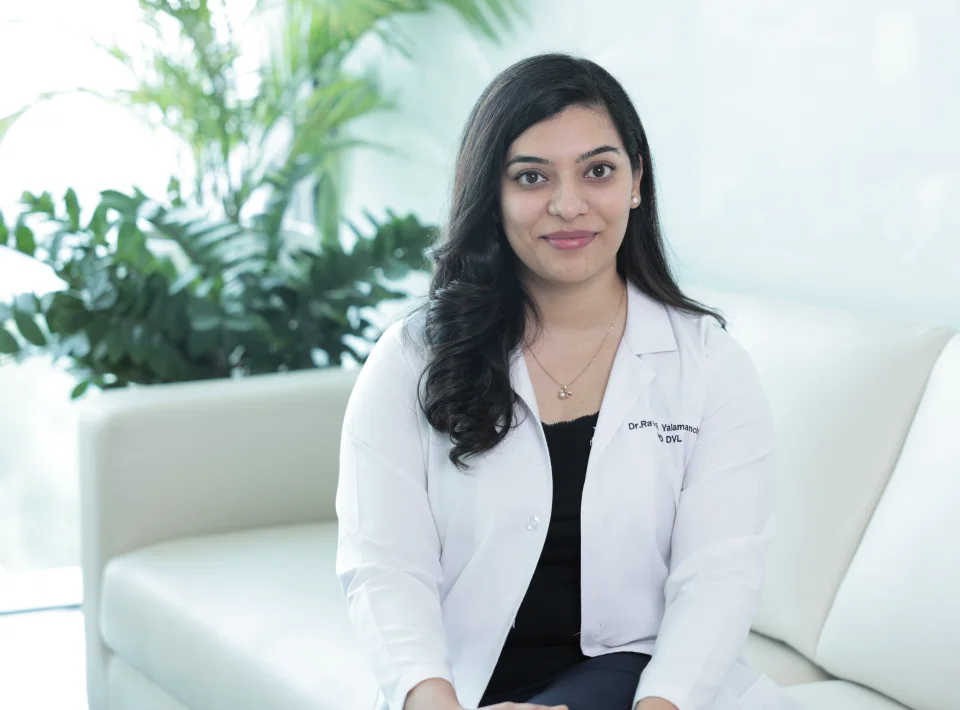
- By Dr. Ravali Yalamanchili
- 2026-11-02
Want brighter, even-toned skin without guessing what works? Choosing the right treatment starts with understanding what causes dullness, tanning, and dark patches.
This guide explains the available options, typical costs, and realistic results to help you select a suitable skin whitening treatment. With the right approach, professional guidance, and consistent aftercare, you can improve your skin’s appearance while protecting its health.
Most people do not need one major fix for every concern. A combination of suitable treatments and daily skincare may work better. The best approach depends on your skin type, pigmentation, sensitivity, and goals.
Why Does Your Skin Look Dull or Uneven?
Skin tone can change for several reasons. Identifying the underlying cause helps a dermatologist recommend an appropriate treatment instead of relying on guesswork.
Common causes include:
- Sun exposure and tanning
- Acne marks and old scars
- Melasma and hormonal pigmentation
- Dust and pollution
- Skipping sunscreen daily
Hyderabad’s strong sunlight and dusty surroundings can contribute to tanning and uneven pigmentation. Hormonal changes and previous acne can also leave stubborn marks. A dermatologist can assess your skin and determine which concerns need attention before recommending treatment.
Four Treatments Doctors Commonly Use
Every skin type responds differently to professional procedures. A personalized skin whitening treatment plan considers your pigmentation, sensitivity, medical history, and budget rather than following a standard package.
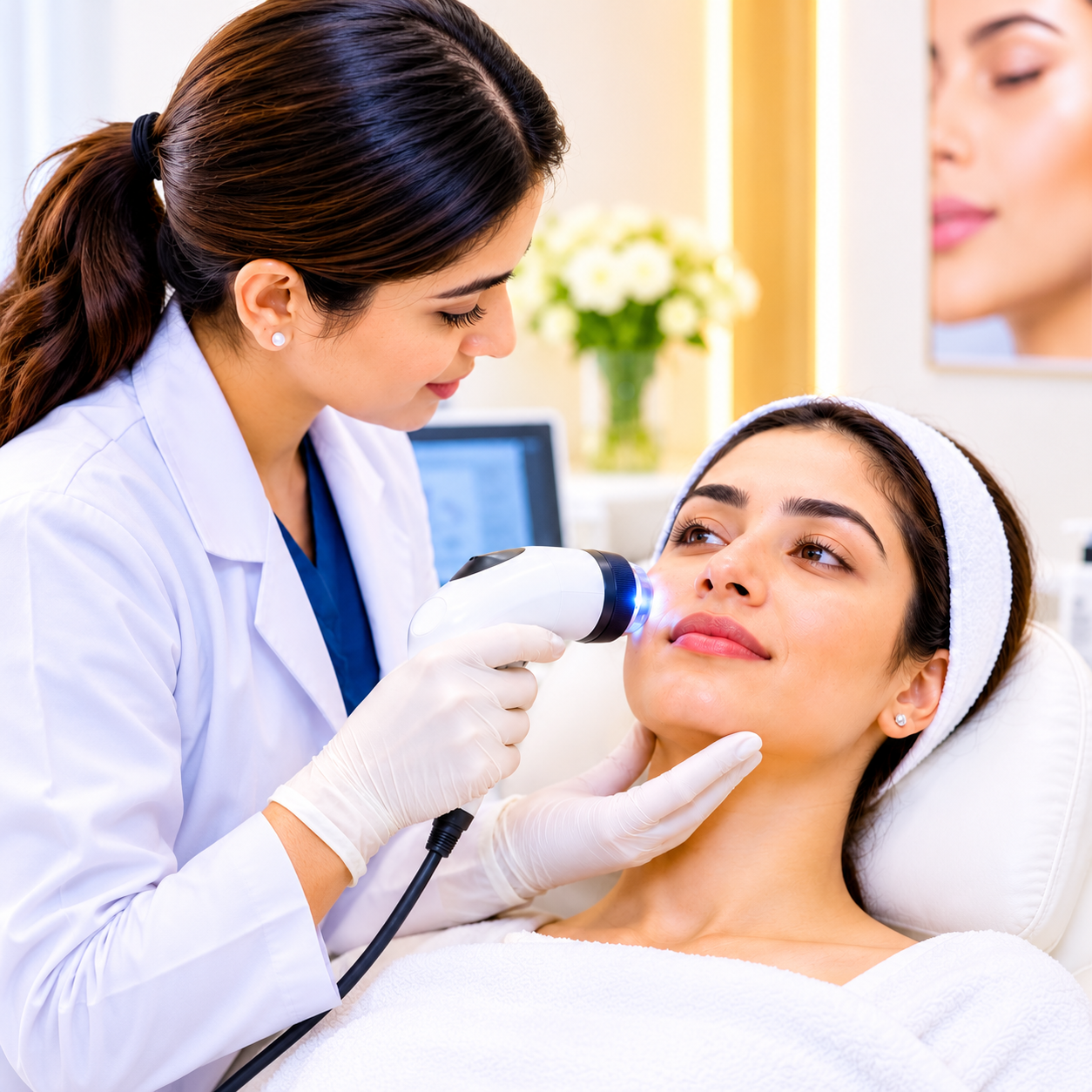
1. Laser Toning: Laser skin whitening uses controlled light energy to target excess pigment in the skin. The body gradually clears the targeted pigment, helping reduce the appearance of tanning, dark patches, and uneven skin tone.
The number of sessions depends on the depth and type of pigmentation. Temporary redness or sensitivity may occur, so a dermatologist should assess your skin before treatment.
2. Chemical Peel: Chemical peel skin whitening involves applying carefully selected acids to exfoliate the skin’s outer layers. This process helps remove accumulated dead skin cells and can improve dullness, mild tanning, and rough texture.
The strength of the peel depends on your skin condition. Mild peeling or temporary irritation may occur afterward. Following your dermatologist’s instructions helps reduce the risk of unwanted pigmentation.
3. Mesotherapy: Mesotherapy involves delivering selected vitamins and other ingredients into the skin through small injections. Depending on the formulation, it may help improve hydration and the appearance of tired, dull skin.
However, evidence supporting mesotherapy for skin brightening varies by ingredient and treatment protocol. Discuss the expected benefits, possible side effects, and suitability with your dermatologist before proceeding.
4. Growth Factor with Micro-needling: Micro-needling creates tiny, controlled channels in the skin to support its natural repair process. Growth factor products may be applied as part of the procedure to help refresh the skin.
This option may be considered when uneven tone occurs alongside acne scars or rough texture. Results depend on the type of scarring, the products used, and your skin’s response.
How to Pick the Right Option?
Start by identifying your main concern. For example, mild tanning and surface dullness may respond to a chemical peel, while persistent pigmentation may require a different approach.
Here is a quick guide:
- Tan and dullness: Chemical peel
- Deeper dark patches: Laser toning
- Dry, tired-looking skin: Mesotherapy
- Scars and rough texture: Growth factor with micro-needling
These are general suggestions, not guaranteed treatment matches. Melasma, post-acne marks, and other pigmentation conditions may need different approaches. Your dermatologist will recommend the most suitable option after examining your skin.
Remember, any skin whitening treatment requires patience. Skin needs time to recover and renew itself, so immediate or dramatic changes should not be expected.
What Happens During Your First Visit?
At Dr Ravali, the first visit focuses on understanding your skin concerns and treatment goals. The consultation generally involves the following steps:
- The doctor asks about your skin history, previous treatments, and expectations.
- Your skin type, sensitivity, and pigmentation are examined.
- A personalized plan is discussed, including the possible number of sessions.
- A patch test may be performed when appropriate.
- Your first session begins or is scheduled for another day.
This process helps you understand the treatment, potential risks, expected results, and aftercare requirements before making a decision.
How Much Does It Cost?
The cost depends on the procedure, pigmentation severity, clinic, and number of sessions. Skin whitening treatment in Hyderabad typically costs Rs. 2,000 to Rs. 14,000 per session.
Laser toning in Hyderabad typically costs ₹4,000–₹14,000 per session, depending on the treatment area and skin concerns. Chemical peels generally range from ₹2,000–₹8,000 per session, depending on the peel type and individual skin needs.
Note: These ranges reflect average market trends and may change. They do not strictly apply to Neya Dermatology & Aesthetics Clinic’s customized skin lightening treatments.
IV treatments are another option to discuss. Before proceeding, ask about the glutathione IV drip price, potential risks, and available evidence. Research on glutathione for skin lightening is limited, and IV treatment can carry significant risks.
Request a detailed quote covering all sessions, follow-up visits, and additional procedures or products to understand the total cost.
Get a price quote for your personalized plan today.
How to Prepare Before Your Session?
Preparing your skin can help reduce irritation and support recovery. Follow the instructions provided by your dermatologist, as preparation varies depending on the procedure.
- Avoid direct sun exposure and tanning before treatment.
- Stop waxing, harsh scrubbing, or irritating exfoliation for the period advised by your doctor.
- Tell your doctor about all skincare products, creams, and medicines you use.
- Arrive with a clean face without makeup.
- Ask whether you need to pause any active skincare ingredients before your appointment.
Do not stop prescribed medicines unless your healthcare professional advises you to do so.
What Results Can You Expect?
Results depend on your skin condition, the procedure used, and how consistently you follow aftercare instructions. Some people notice a brighter or smoother appearance after a few sessions, while deeper pigmentation may take longer to improve.
Every face heals differently. Track changes using your own photographs under similar lighting rather than comparing your progress with someone else’s results.
Typical recovery and improvement may look like this:
- Week 1–2: Mild redness, sensitivity, or flaking may settle, depending on the procedure.
- Week 3–6: Gradual improvements in skin tone and texture may become noticeable.
- After 4–6 sessions: Some people see more visible brightness and reduced dark patches, although results vary.
To help maintain your results:
- Use broad-spectrum sunscreen with SPF 30 or higher every day.
- Avoid picking, scratching, or scrubbing treated skin.
- Stay hydrated and moisturize regularly.
- Follow your doctor’s advice on prescribed creams and skincare products.
Mistakes That Can Ruin Your Results
Certain habits can slow progress, trigger irritation, or worsen pigmentation. Avoid these common mistakes:
- Using unverified creams that may contain steroids or mercury.
- Choosing salons that perform medical procedures without qualified medical supervision.
- Skipping sunscreen after treatment.
- Stopping the recommended course without discussing it with your doctor.
- Combining multiple strong treatments without professional guidance.
Safe skincare focuses on gradual improvement and protecting the skin barrier. Quick-fix promises can lead to irritation, unwanted pigmentation, and additional treatment expenses.
Ready for Brighter Skin? Take the First Step Today
Choosing the right skin whitening treatment starts with understanding your skin and its specific concerns. Dr Ravali’s team can assess your pigmentation, explain suitable options, and recommend a plan based on your needs and budget.
Book a consultation to discuss expected results, treatment costs, and aftercare before beginning your journey towards a brighter, more even-looking complexion.
Key Takeaways:
- Sun exposure, acne marks, and hormonal changes can contribute to dullness and pigmentation.
- Laser toning, chemical peels, mesotherapy, and growth factor with micro-needling are potential treatment options.
- Skin whitening treatment in Hyderabad typically costs Rs. 2,000 to Rs. 14,000 per session, depending on the procedure.
- A personalized treatment plan is more appropriate than choosing a standard package without a skin assessment.
- Daily sunscreen, suitable aftercare, and realistic expectations help protect your results.
Frequently Asked Questions:
1. How many sessions will I need?
Many people require around 4 to 6 sessions, spaced a few weeks apart. However, the number depends on your skin condition, treatment type, and response. Your dermatologist will recommend an appropriate schedule.
2. Is skin whitening treatment safe?
Professional treatments can be appropriate when a qualified dermatologist assesses your skin and performs the procedure. Every treatment carries potential risks, so discuss possible side effects and alternatives before starting.
3. Does the treatment hurt?
Most people experience mild tingling, warmth, or discomfort during certain procedures. Numbing cream may be used when appropriate, depending on the treatment and your sensitivity.
4. How long do the results last?
Results vary by treatment and the underlying cause of pigmentation. Daily sunscreen and consistent skincare can help maintain improvements, while some people may need occasional maintenance sessions.
5. Is there any downtime?
Downtime is often limited, but it depends on the procedure and its intensity. Temporary redness, sensitivity, or flaking may occur for a few days. Follow your dermatologist’s advice before returning to your regular skincare routine.