- By Dr. Ravali Yalamanchili
- 2025-12-11
Acne scars can be removed with the proper care, and dermatologists now provide effective, tried-and-true treatments.
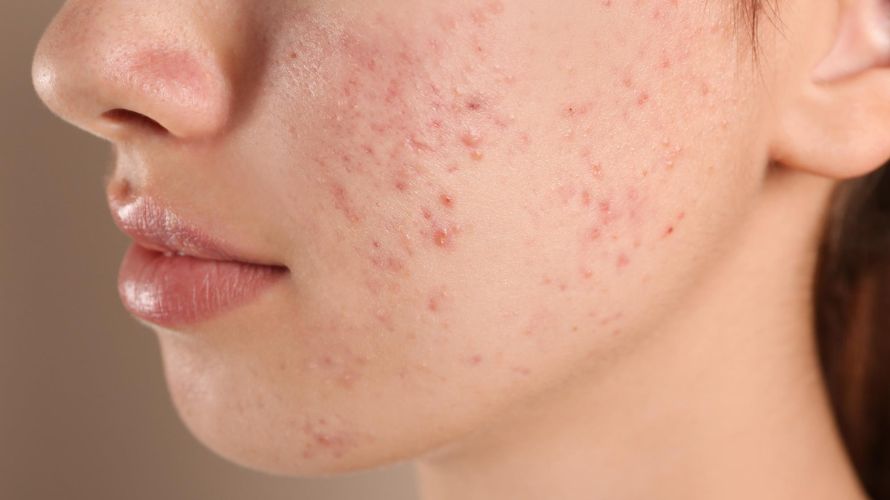
According to the American Academy of Dermatology, nearly 85% of people between the ages of 12 and 24 have acne, and many of them leave behind scars that can last for years. The good news is that significant improvements in acne scar removal treatments have given hope to millions of people who are living with post-acne blemishes.
Acne scars are more than just surface-level. They affect our public persona, confidence, and sense of self. In actuality, you don't have to put up with them indefinitely.
Key Takeaways
- Numerous methods, including chemical peels, laser therapy, microneedling, fillers, and Subcision can be used to effectively treat acne scars.
- A qualified dermatologist's evaluation is necessary to determine the best course of action for your skin condition and scar type.
- Combination therapy often produces better outcomes than single treatment methods.
- Patience is crucial because the majority of therapies include multiple sessions spaced out over weeks or months.
- Treatment results are greatly impacted by sun protection and appropriate aftercare, which also helps prevent problems.
Understanding Different Types of Acne Scars
Let's examine the situation before beginning any therapy. There are several types of acne scars, and determining your type will help you select the best course of action.
Skin depressions are a result of atrophic scarring. These consist of rolling scars, boxcar, and ice pick. Hypertrophic scars rise above the skin's surface. Each type responds differently to treatment approaches.
Dermatologist-Approved Treatments That Actually Work
Laser Resurfacing: The Modern Solution
The way acne scars are treated has been completely transformed by laser therapy. Damaged skin layers are removed by erbium lasers and fractional CO2 lasers. They aid in the healing and regeneration of skin by promoting the creation of collagen.
Usually, three to five sessions are needed for the treatment. Within a few weeks, results are apparent. After finishing their course of treatment, the majority of patients experience notable improvement.
Chemical Peels: Deep Skin Renewal
Acids are used in chemical peels to eliminate the outermost layers of skin. Popular options include TCA peels, salicylic acid, and glycolic acid. The severity of your scar determines how deep the peel should go.
Superficial peels need minimal downtime. Although they take longer to recover from, medium and deep peels produce striking results. The acne scar treatment dermatologist will recommend the right strength for you.
Microneedling: Stimulating Natural Healing
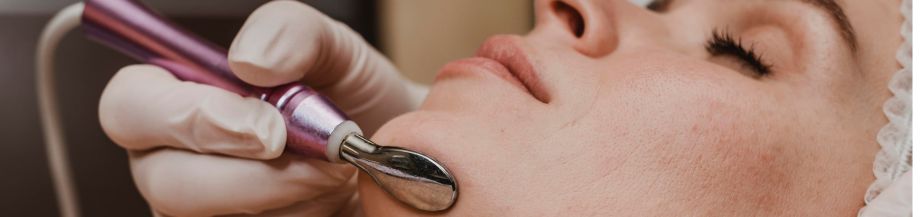
Microneedling, also known as collagen induction therapy, makes microscopic punctures in the skin. Your body's natural healing response is triggered by this. Depressed scars gradually fill up as new collagen is created.
Results are further enhanced when radiofrequency energy is added. There is minimal recovery time, and the treatment is quite comfortable.
Dermal Fillers: Instant Volume Restoration
Dermal fillers are an instant fix for deep, depressed scars. Hyaluronic acid fillers plump up the skin from the inside out. Results might last anywhere from six to eighteen months and are immediately apparent.
Thai treatment works best for acne scars that are deep and isolated. It’s often combined with other treatments for comprehensive results.
Subcision: Breaking Scar Tissue Bands
A needle is inserted beneath the scar during subcision. The skin is pulled downward by fibrous bands, which the dermatologist cuts up. As a result, depression can naturally rise.
The method is quite effective for rolling scars. There are a few documented adverse effects, and recovery is rapid.
What to Expect During Treatment
Patience and dedication are necessary for professional acne scar removal treatments. The majority of therapies require several sessions separated by weeks. In between procedures, your skin needs time to repair and rejuvenate.
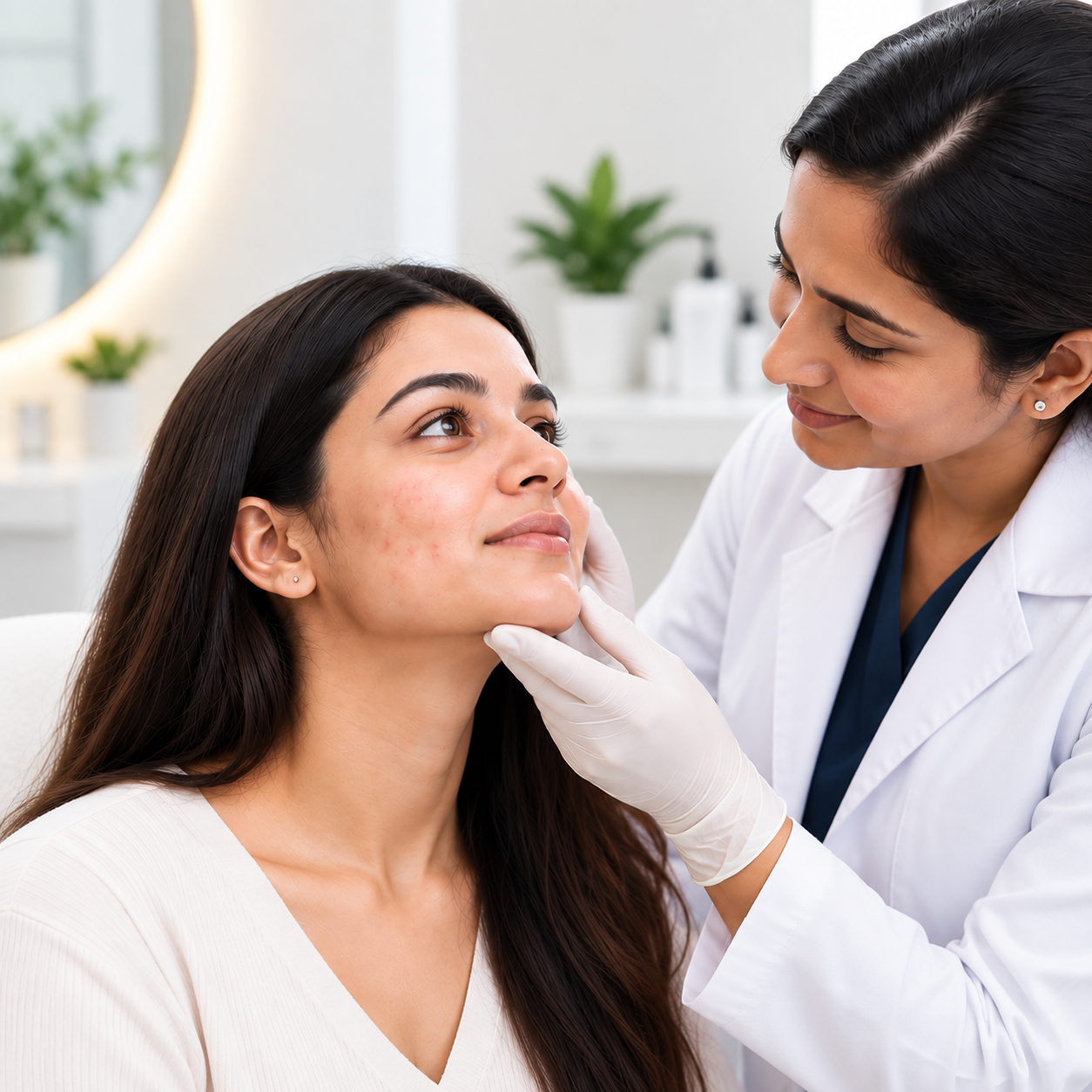
The first consultation is essential. Your dermatologist evaluates your medical history, scar severity, and skin type. They develop a personalized therapy strategy that takes into account your unique issues.
Treatment Comparison Table
|
Treatment Type
|
Sessions Needed
|
Downtime
|
Best For
|
|
Laser Resurfacing
|
3-5
|
5-7 days
|
All scar types
|
|
Chemical Peels
|
4-6
|
3-14 days
|
Shallow to moderate scars
|
|
Microneedling
|
4-6
|
1-3 days
|
Rolling and boxcar scars
|
|
Dermal Fillers
|
1-2
|
Minimal
|
Deep, isolated scars
|
|
Subcision
|
1-3
|
3-5 days
|
Rolling scars
|
Finding the Right Acne Scar Treatment in Hyderabad
Choose a licensed dermatologist with a track record if you're looking for acne scar treatment in Hyderabad. Dermatologists with board certification understand the biology of the skin and are able to customize treatment effectively.
Look for clinics with up-to-date technology and satisfied clients. Never be afraid to inquire about the dermatologist's specific experience with scar treatments.
Factors Affecting Treatment Success
How effectively therapies work for you depends on a number of factors:
Scar age: Treatment works better for more recent scars.
Skin type: The way that various skin tones respond to specific procedures varies.
Depth of scar: Combination therapies may be necessary for deeper scars.
General health: A healthy diet and way of life promote healing.
Sun protection: Crucial for avoiding pigmentation as the body heals.
The Role of Combination Therapy
Several treatments are frequently used in conjunction in modern dermatology. Better outcomes can be obtained by combining laser therapy with microneedling or subcision with fillers. Your dermatologist creates a plan based on your particular requirements.
Combination methods simultaneously address several facets of scarring. This all-encompassing approach frequently reduces the duration of treatment.
Post-Treatment Care Essentials
Success doesn't end when you leave the clinic. Proper aftercare ensures optimal results:
- Apply prescribed topical medications religiously
- Use broad-spectrum sunscreen daily (SPF 30+)
- Avoid picking or scratching treated areas
- Stay hydrated and maintain a healthy diet
- Follow up with your dermatologist as scheduled
When you leave the clinic, your success doesn't end. The best outcomes are guaranteed by proper aftercare:
- Use topical drugs as directed on a regular basis.
- Use sunscreen with a broad spectrum (SPF 30+) every day.
- Don't pick or scratch the areas that have been treated.
- Drink plenty of water and eat a balanced diet.
- As planned, follow up with your dermatologist.
Your Journey to Clearer Skin Starts Now!
Acne scars are not a permanent part of your life. Advanced acne scar removal treatments provide practical, scientifically supported remedies. Whether you decide on chemical peels, laser therapy, or a combination of treatments, expert care is crucial.
Don’t let scars hold you back any longer. Now is the time to start on the path to clearer, smoother skin. To arrange your consultation for thorough treatment choices and professional care, consult with Dr Ravali or visit our website.
This investment is worthy of your confidence. Start your healing journey today.
FAQs
Q1: How long does it take for acne scar treatments to show results?
Treatment types produce different results. Fillers provide instant relief, but the effects of laser and microneedling take three to six months to manifest as collagen repairs itself.
Q2: Do acne scar removal procedures hurt?
The majority of operations cause minimal discomfort. To guarantee patient comfort throughout procedures, dermatologists employ local anaesthetics or numbing lotions.
Q3: Is it possible to get rid of acne scars entirely?
Even if total eradication isn't always feasible, most scars can be significantly reduced by 50–90% with the proper medical care.
Q4: How much does it cost to repair acne scars in India?
Treatment type, scar severity, and clinic location all affect costs. Depending on the method selected, treatments might cost anywhere from ₹3,000 to ₹50,000 per session.
Q5: Can scars from acne return after treatment?
Scars that are treated don't come back. New acne outbreaks, however, may result in new scarring. New scar formation can be avoided by treating active acne and maintaining appropriate skincare.