- By Dr. Ravali Yalamanchili
- 2026-04-12
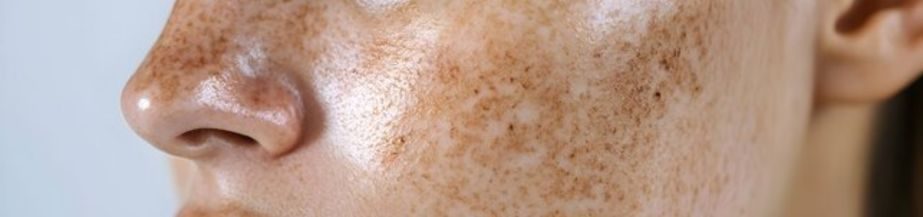
Hyperpigmentation treatment in Hyderabad offers cutting-edge medical solutions to get rid of dark spots and restore your natural, radiant complexion effectively. Have you ever noticed dark spots on your face that wouldn't go away? You're not the only one going through this.
Did you know? According to a study by NIH, around 80% of the participants were diagnosed with one or more pigmentary disorders.
So, if you have ever noticed dark spots on your face that wouldn't go away, then you're not the only one going through this. This happens when your skin makes too much melanin. While it is a common issue, finding the right hyperpigmentation treatment in Hyderabad can change how you feel about your skin.
Let's explore how you can get a clear and bright look with the help of experts.
Key Takeaways
- Most pigmentation types fade or disappear with professional medical care and consistent sun protection.
- Based on how dark your skin is, laser treatment and chemical peels will give you the best results.
- There may be some redness or mild swelling for a short time, but it generally goes away in a few hours.
- Depending on how bad the spots are, most people get clear skin in three to six treatments.
- Stay out of direct sunlight for several days and use a high-SPF sunscreen to protect the treated skin.
Understanding the Root Causes of Dark Spots and Uneven Skin
Before you seek pigmentation treatment in Hyderabad, you must know why these spots show up. Several factors trigger the overproduction of pigment in our skin.
- Sunlight: A big reason for this is the harsh sun in cities like Hyderabad. UV rays cause melanin production.
- Hormonal changes: For many women, melasma starts during pregnancy or because they are taking birth control pills.
- Post-Inflammatory issues: Acne or skin injuries often leave behind dark marks that won't go away.
- Ageing: As we grow older, "liver spots" or age spots become more visible.
Finding the best dermatologist in Hyderabad is the first step to identifying your specific types. A professional will look at your skin to find out if the colour is on the top layer or deeper.
Modern Options for Effective Pigmentation Removal
You no longer have to rely on home treatments that don't work for months. Today, medical science offers fast and safe ways to clear your skin.
Chemical Peels for Fresh Skin
Mild acids are used in chemical peels to get rid of the top layer of dead skin. This process reveals the lighter, healthier skin underneath. It works well for light spots and sun damage.
Medicated Creams and Serums
Your doctor may tell you to use creams that have Retinoids, Vitamin C, or Kojic acid in them. These things stop the production of melanin. They are often part of a long-term hyperpigmentation treatment in Hyderabad.
Microdermabrasion
This is a physical exfoliation technique. It softly sands off the thick top layer of skin with a special tool. It helps get rid of small marks and makes the skin better.
Benefits of Laser Treatment for Pigmentation in Hyderabad
Lasers work really well if you want faster and better results. Many people now prefer laser treatment for pigmentation in Hyderabad because of its precision.
|
Feature
|
Chemical Peels
|
Laser Treatment
|
|
Target Depth
|
Surface levels
|
Deep and surface levels
|
|
Recovery Time
|
3 to 7 days
|
2 to 5 days
|
|
Number of Sessions
|
6 to 8 sessions
|
3 to 5 sessions
|
|
Best For
|
Light tanning
|
Deep spots and Melasma
|
Laser technology works by targeting the dark pigment with light energy. The heat breaks the melanin into very small pieces. After that, your body gets these particles out on its own. When done by a professional, it works very well and is very safe.
Why Choose Laser?
- Precision: It only works on the dark spot and doesn't touch the skin around it.
- Speed: After just a few practices, you can see changes.
- Collagen Boost: Lasers also help in making your skin firmer and smoother.
Daily Habits to Prevent Further Skin Darkening
This is something that even the best dermatologist in Hyderabad will tell you is very important. You must protect your results by following a strict routine.
- Apply sunscreen Daily: Sunscreens with at least SPF 50 should be used. When you're outside, reapply it every three hours.
- Wear Protective Gear: To block direct sunlight, wear hats with wide brims or umbrellas.
- Stay Hydrated: Drink plenty of water to keep your skin cells healthy.
- Avoid Picking Skin: Popping pimples will leave dark scars that won't go away.
What to Expect During Your Skin Consultation
If you want to get pigmentation treatment in Hyderabad, the process is simple. First, the doctor will wash your face. They might use a special light called a Wood's Lamp to see the depth of the pigment.
They will give you a plan that works for your skin type after the check-up. Lasers and peels might not work for everyone. Pay close attention to the instructions before and after treatment to stay healthy.
Elevate Your Look with Expert Care!
Tired of putting on a lot of makeup to hide your spots? It's time to choose a permanent solution. Skin specialists like Dr Ravali have the best tools to serve you. Our team provide the most reliable hyperpigmentation treatment in Hyderabad, which is specially made for you. We care about your safety, comfort, and getting real benefits. Visit our website to book your appointment. Take the first step toward a flawless and even skin tone today!
FAQs
Q1. Is hyperpigmentation permanent?
Ans: No, most types of pigmentation can be faded or removed with the right medical treatments and sun protection.
Q2. Which treatment is best for face pigmentation?
Ans: The best treatment depends on the depth of the pigment. Laser therapy and chemical peels are usually the most effective options.
Q3. Are there any side effects of laser skin treatment?
Ans: You might see slight redness or swelling for a few hours. These effects are temporary and fade quickly.
Q4. How many sessions will I need for clear skin?
Ans: Most patients require 3 to 6 sessions. This depends on the severity of the dark patches.
Q5. Can I go out in the sun after treatment?
Ans: You should avoid direct sun for a few days. Always wear a high SPF sunscreen to protect the treated area.