- By Dr. Ravali Yalamanchili
- 2026-04-01
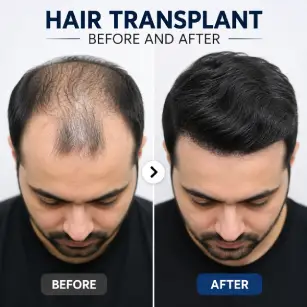
A hair transplant can permanently restore your hairline. And if you've been putting it off, this guide will make you change your mind completely.
Did you know? The American Hair Loss Association states that male pattern baldness (MPB) is responsible for over 95% of hair loss in men. Men aren't the only ones who lose hair; nearly 40% of women will notice it at some point in their lives.
Losing hair can make you feel less confident, which can also hurt your personal relationships. Still, most people wait way too long before getting the help they need. They use oils, shampoos, and home remedies, but the effects don't last very long. The good news? A hair transplant is no longer a celebrity secret. Every year, thousands of Indians choose this science-backed permanent solution, and it is more accessible than ever before.
Key Takeaways
- Hair transplants are lasting because they move follicles that are not affected by DHT and keep growing on their own for life.
- Both FUE and FUT work, so which one you choose depends on your goals for coverage, scarring, and healing.
- If you get a hair transplant at the right time, you'll get better results and prevent an unnatural appearance later.
- Modern technology and skilled surgeons deliver high graft survival rates with natural-looking, long-lasting hairline results.
- Results take time, with visible growth starting after months and full results appearing within one year.
How Does a Hair Transplant Actually Restore Hair?
During the hair transplant in Hyderabad , healthy hair follicles are moved from a donor area, which is usually the back of the scalp, to areas of the forehead that are bald or losing hair. These transplanted follicles are genetically resistant to DHT, the hormone responsible for hair loss. So once they settle in the new area, they keep growing for life.
Think of it like replanting a tree. The roots carry their original strength. They grow exactly as they would in their original spot, no matter where you plant them.
These are the two main techniques widely used today:
|
Technique
|
Full Form
|
Scarring
|
Recovery Time
|
Best For
|
|
FUT
|
Follicular Unit Transplantation
|
Linear scar
|
10–14 days
|
Large coverage areas
|
|
FUE
|
Follicular Unit Extraction
|
Minimal, dot-like
|
5–7 days
|
Natural hairline, lower density loss
|
Both methods deliver excellent results. Your doctor will tell you which one is best for you based on the condition of your scalp, the amount of hair loss, and your lifestyle needs.
When to Get a Hair Transplant: Don't Wait Too Long
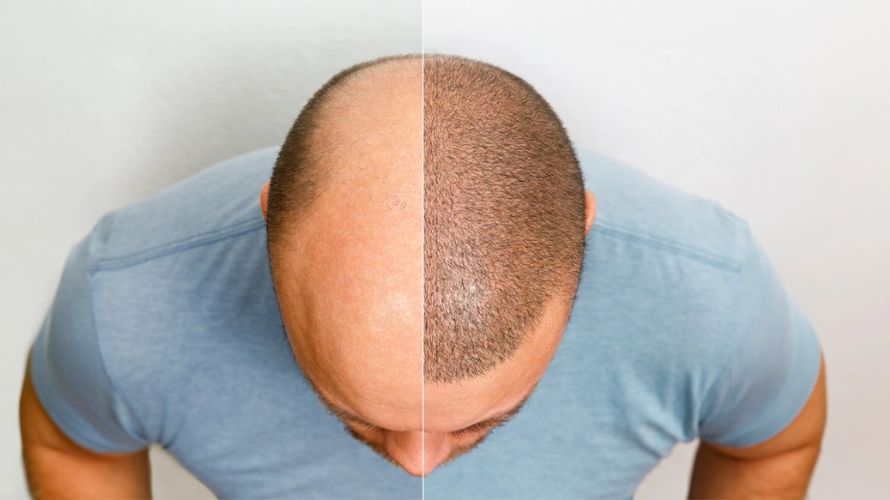
Fear or doubt makes a lot of people put off making a choice. But if you wait too long, the effects might not be as good. Here are the key signs of hair transplant or it is the right time
- Your hair loss has stabilised. If you get a transplant too early, the results might not look realistic because hair will still be falling out around the transplant.
- You are between 25 and 65 years of age. For most people, this is the best time to apply.
- You have a healthy donor area. Enough strong follicles at the back or sides of the scalp are essential for good coverage.
- The medicines haven't worked well enough. If minoxidil or finasteride hasn't worked on its own, a transfer is the next best thing.
- Losing your hair makes you feel less confident. It's just as important for mental health. If going bald is stopping you, you need to do something right away.
- You want a permanent, low-maintenance solution. Topical treatments need to be used every day, but a transplant gives permanent benefits with little maintenance.
Pro Tip: See the best dermatologist in Hyderabad as soon as possible, even if you're not ready for a graft yet. Early guidance can slow further hair loss significantly.
Why Hair Transplants Work: The Real Science Behind the Results
Here is why modern hair transplant has such a remarkable success rate:
The Donor Dominance Principle
When follicles are taken from the donation zone, they still have their original genetic information. No matter where they are, they keep growing hair the same way they did before they were moved. This is the biological foundation behind why transplants last a lifetime.
Precision Graft Handling
Modern clinics use magnified dissection and the keeping of grafts at a controlled temperature. This careful care keeps follicles alive and in great shape until they are implanted. Every single graft counts.
Advanced Implantation Technology
Surgeons can control the exact angle, depth, and direction of each hair with tools like the Choi Implanter Pen. With this much accuracy, you can get a hairline that looks totally natural and blends in with your existing hair.
Exceptional Graft Survival Rates
Studies in the Journal of Cutaneous and Aesthetic Surgery show that graft mortality rates can be higher than 90–95% if the surgeon is skilled and the clinic is good. If this is done by the right person, it is not risky.
What to Expect After a Hair Transplant
It's easier to get better than most people think. Here is a realistic post-procedure timeline you should know:
- Day 1-3: The area around the head was slightly swollen and red. This is normal, and it will go away quickly.
- Weeks 1 and 2: Scaly skin grows around the patches and falls off on its own. Do not touch or scratch the area at any cost.
- Months 1-3: Transplanted hair sheds temporarily. Do not worry, this is a normal part of the growth stage.
- Months 3–6: You can see new hair growing from the grafted follicles. The change starts becoming noticeable.
- Months 12–18: Full, natural-looking, dense results become clearly visible. Now is the time you've been waiting for.
Patience is absolutely the key. The results are worth every bit of the wait.
Get Your Hair, Confidence, and Life Back!
You deserve to feel like yourself again, and the solution is closer than you think. If you want to find the best hair transplant in Hyderabad, the most important thing is to get advice from a professional. A skilled surgeon carefully examines your head, creates a hairline that is completely unique to you, and guarantees results that look natural and last a long time. It's not just about the surgery itself when you're looking for the best dermatologist in Hyderabad for your transplant. It's about personalised pre-care, attentive post-care, honest advice, and results you can actually see and feel proud of.
Dr. Ravali is an expert in advanced FUE and FUT treatments, and her patients in Hyderabad have seen results that have changed their lives. Visit our website to book your consultation today and take the most important step toward a fuller, thicker head of hair.
FAQs
Q1. Is a hair transplant permanent?
Ans: Yes. Transplanted follicles are genetically resistant to the hormone that causes hair loss. They continue to grow hair for life in their new location.
Q2. Is a hair transplant painful?
Ans: The procedure is performed under local anaesthesia. Most patients feel little to no pain during surgery. Mild soreness and swelling afterwards are normal and fully manageable.
Q3. How long does it take to see results after a hair transplant?
Ans: New hair growth begins around 3–4 months after surgery. Full, final results are clearly visible by 12–18 months.
Q4. What is the cost of a hair transplant in Hyderabad?
Ans: Costs depend on the number of grafts needed, the technique used, and the clinic's expertise. Consulting a best hair transplant in Hyderabad specialist gives you an accurate, personalised cost estimate.
Q5. Who is the best dermatologist in Hyderabad for a hair transplant?
Ans: Look for a board certified dermatologist or trichologist with proven FUE/FUT experience, transparent pricing, strong patient reviews, and a clear post-care protocol.